

Fescue care, help pls....
19 years ago
Sort by:Oldest
Comments (4)
Related Stories
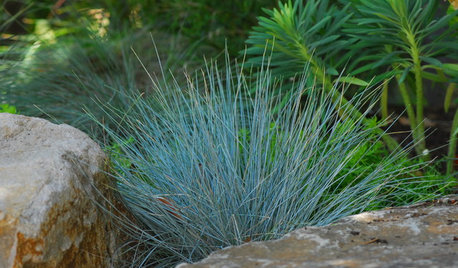
LANDSCAPE DESIGNGreat Design Plant: Blue Fescue
Is there anywhere this grass doesn't look great? Bonus: It outlasts other grasses in color and doesn't hog water
Full Story
GROUND COVERS10 Succulents That Make Pretty, Easy-Care Ground Covers
These low-growing succulents create interest in the drought-tolerant garden
Full Story
COLORPick-a-Paint Help: How to Create a Whole-House Color Palette
Don't be daunted. With these strategies, building a cohesive palette for your entire home is less difficult than it seems
Full Story
LANDSCAPE DESIGN7 Low-Maintenance Lawn Alternatives
Turf isn't the only ground cover in town. Get a lush no-grass lawn with clover, moss and other easy-care plants
Full Story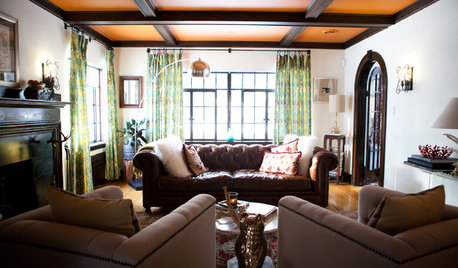
HOUZZ TOURSMy Houzz: Antiques Mingle With Modern Style in a 1920s Tudor
See how careful curating and a strong vision turned an empty New England home into an eclectic sight to behold
Full Story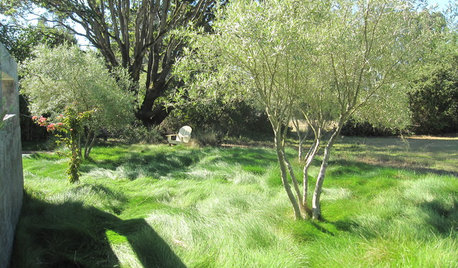
GARDENING AND LANDSCAPING7 Ornamental Grasses for Coastal Gardens
These hardy seashore plants evoke the ocean, sway in the breeze and help prevent sand erosion in the landscape
Full Story
GARDENING GUIDESHow to Plant a New Lawn From Sod
Take the quick-start route to turf with sod; these installation guidelines will help ensure a healthy and long-lasting lawn
Full Story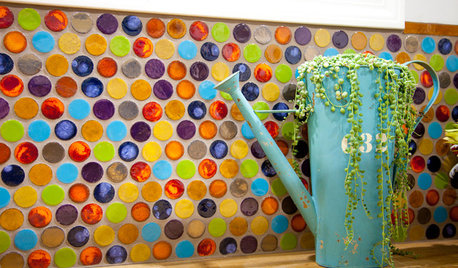
TILE5 Head-Turning Tile Styles for Backsplashes and More
If plain subway tile would derail your bold decorating vision, these dashing tiles can help you arrive at a brilliant solution
Full Story
GARDENING GUIDESNew Ways to Think About All That Mulch in the Garden
Before you go making a mountain out of a mulch hill, learn the facts about what your plants and soil really want
Full Story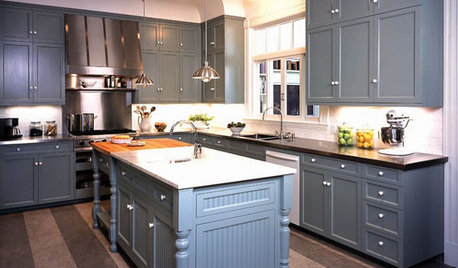
KITCHEN DESIGNHow to Work With a Kitchen Designer
If you're ready to make your dream kitchen a reality, hiring a pro can ease the process. Here are the keys to a successful partnership
Full StorySponsored

Innovative & Creative Custom Closet Designer Servicing Franklin County

User
tak2w
Related Professionals
St. Louis Landscape Architects & Landscape Designers · Columbia Landscape Architects & Landscape Designers · New Braunfels Landscape Architects & Landscape Designers · Elmira Landscape Architects & Landscape Designers · Tacoma Landscape Architects & Landscape Designers · Middlesboro Landscape Contractors · Concord Landscape Contractors · Knoxville Landscape Contractors · Kahului Landscape Contractors · Waycross Home Builders · Myrtle Beach Home Builders · Cookeville Home Builders · Sioux Falls Home Builders · Santa Fe Home Builders · Lubbock Home Buildersjames_hoonOriginal Author
User