

Programmable thermostats.
15 years ago
Sort by:Oldest
Comments (4)
Related Stories
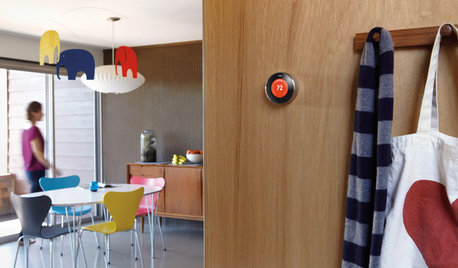
HOME TECHWhy Google Just Paid $3.2 Billion for a Company That Makes Thermostats
Smart home technology just got a new champion — and everyone is speculating about the reasons
Full Story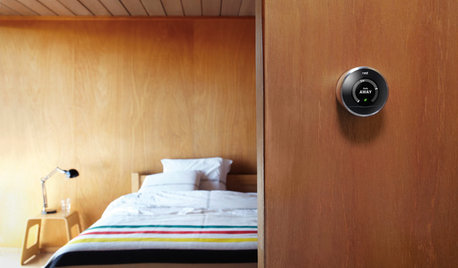
ACCESSORIESEveryday Home Must-Haves Beg for a Makeover
The Nest's much-improved take on the thermostat has us pondering reinventions of other necessities around the house
Full Story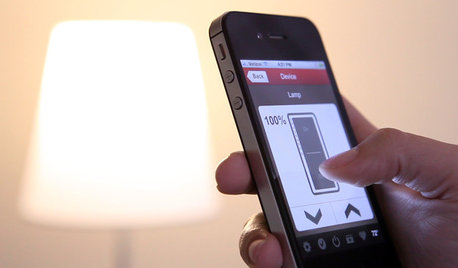
HOME TECHSwitch On the Phone-Controlled Home
Lock your front door from afar, let your thermostat set itself and more when you use your phone as a control device
Full Story
FLOORSIs Radiant Heating or Cooling Right for You?
Questions to ask before you go for one of these temperature systems in your floors or walls (yes, walls)
Full Story
FLOORSWhat to Ask When Considering Heated Floors
These questions can help you decide if radiant floor heating is right for you — and what your options are
Full Story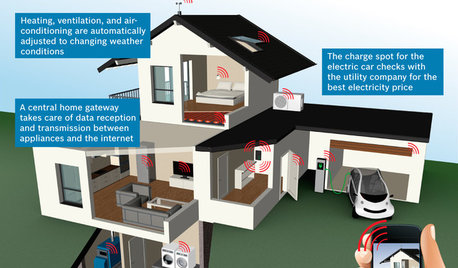
THE HARDWORKING HOMECES 2015: Inching Toward a Smarter Home
Companies are betting big on connected devices in 2015. Here’s a look at what’s to come
Full Story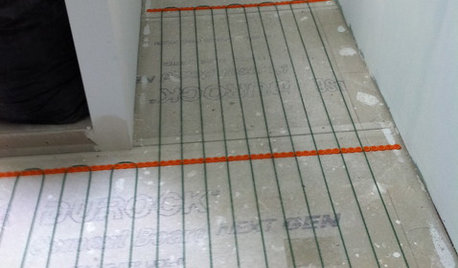
BATHROOM DESIGNWarm Up Your Bathroom With Heated Floors
If your bathroom floor is leaving you cold, try warming up to an electric heating system
Full Story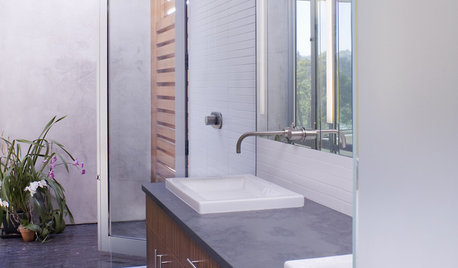
BATHROOM DESIGN10 Amenities to Make Your Bathroom Extraordinary
Go beyond the basics for a luxury bathroom experience, with extra-special options starting at only $25
Full Story
MOST POPULAR8 Little Remodeling Touches That Make a Big Difference
Make your life easier while making your home nicer, with these design details you'll really appreciate
Full Story
BATHROOM DESIGN2012 Appliance Trends: Bathrooms
Bathroom renovations to include more towel-warming drawers, TVs, tablets, pre-set showers and more
Full StorySponsored

Innovative & Creative Custom Closet Designer Servicing Franklin County
arthurm
highjack
Related Professionals
Dalton Landscape Architects & Landscape Designers · Lexington Landscape Architects & Landscape Designers · Augusta Landscape Contractors · Middletown Landscape Contractors · Marquette Landscape Contractors · Rapid City Landscape Contractors · Kennewick Landscape Contractors · Sanford Landscape Contractors · Tampa General Contractors · Macon General Contractors · Cincinnati General Contractors · Fall River General Contractors · Flint General Contractors · Rochester General Contractors · Orange County General ContractorsorchidnickOriginal Author
richardol