

no tilling and direct seeding...help!!!!!!!
14 years ago
Sort by:Oldest
Comments (9)
Related Stories

GARDENING GUIDESSeeds or Seedlings? How to Get Your Garden Started
Growing delicious herbs and vegetables starts with knowing your goals and when you want to plant
Full Story
GARDENING GUIDESHow to Plant a New Lawn From Seed
Choose from more grass varieties and save money over sod by starting your lawn from seed
Full Story
CONTAINER GARDENS8 Easy Container Plants to Grow From Seed
Get beautiful blooms and herbs in summer by starting these choice garden picks from seed in spring
Full Story
MOST POPULAR7 Ways to Design Your Kitchen to Help You Lose Weight
In his new book, Slim by Design, eating-behavior expert Brian Wansink shows us how to get our kitchens working better
Full Story
ORGANIZINGDo It for the Kids! A Few Routines Help a Home Run More Smoothly
Not a Naturally Organized person? These tips can help you tackle the onslaught of papers, meals, laundry — and even help you find your keys
Full Story
HOUSEKEEPINGThree More Magic Words to Help the Housekeeping Get Done
As a follow-up to "How about now?" these three words can help you check more chores off your list
Full Story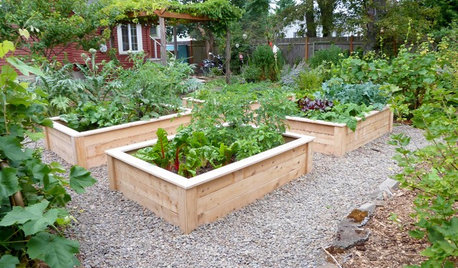
GARDENING GUIDES12 Tips to Help You Start an Edible Garden
Get on your way to growing your own vegetables with a raised bed or a few containers on the patio
Full Story
ENTRYWAYSHelp! What Color Should I Paint My Front Door?
We come to the rescue of three Houzzers, offering color palette options for the front door, trim and siding
Full Story
GARDENING GUIDESGreat Design Plant: Common Boneset Helps Good Bugs Thrive
Support bees, moths and butterflies with the nectar of this low-maintenance, versatile and tactile prairie-style plant
Full Story

pnbrown
bi11me
Related Professionals
Chambersburg Landscape Architects & Landscape Designers · Salt Lake City Landscape Architects & Landscape Designers · Clarksville Landscape Contractors · Johnson City Landscape Contractors · Williamsburg Landscape Contractors · Fargo Landscape Contractors · Medford Landscape Contractors · Edmonton Landscape Contractors · Middlesboro Architects & Building Designers · Atlantic City Architects & Building Designers · New York City Architects & Building Designers · Youngstown Architects & Building Designers · Oxnard Architects & Building Designers · San Bernardino Architects & Building Designers · Leamington Architects & Building Designerspnbrown
urbanminimalistOriginal Author
jolj
pnbrown
bi11me
SoTX
Kimmsr