

Is Bractaeta too Difficult to Control?
17 years ago
Sort by:Oldest
Comments (4)
Related Stories
DECORATING GUIDESThe Art of the Window: Drapery Solutions for Difficult Types and Shapes
Stymied by how to hang draperies on a nonstandard window? Check out these tips for dressing 10 tricky window styles
Full Story
HEALTHY HOMEWhat to Know About Controlling Dust During Remodeling
You can't eliminate dust during construction, but there are ways to contain and remove as much of it as possible
Full Story
COLORPick-a-Paint Help: How to Create a Whole-House Color Palette
Don't be daunted. With these strategies, building a cohesive palette for your entire home is less difficult than it seems
Full Story
DECORATING GUIDESYour Guide to Window Treatments
The right window treatments can provide privacy, light control and safety — or just better style
Full Story
MOST POPULAR4 Obstacles to Decluttering — and How to Beat Them
Letting go can be hard, but it puts you more in control of your home's stuff and style. See if any of these notions are holding you back
Full Story
FALL GARDENING8 Must-Have Tools for Fall Backyard Prep
Autumn outdoor work feels overwhelming, but these handy tools can keep it under control
Full Story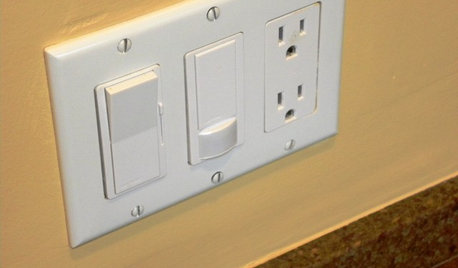
GREAT HOME PROJECTSHow to Install a Dimmer Switch
New project for a new year: Take control of your lighting to set the right mood for entertaining, dining and work
Full Story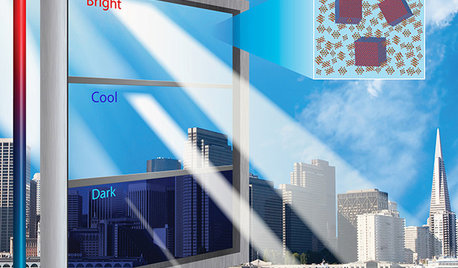
HOME TECHIs It Curtains for Curtains? Smart Glass Eliminates Window Coverings
Windows can now control light and heat through electricity and high-tech formulations, making blinds and shades optional
Full Story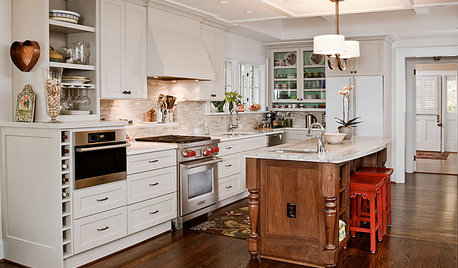
KITCHEN DESIGNKitchen of the Week: Smart, Elegant Atlanta Addition
Controlling traffic flow and conquering clutter topped the priorities list for this 1980s-era Georgia kitchen
Full Story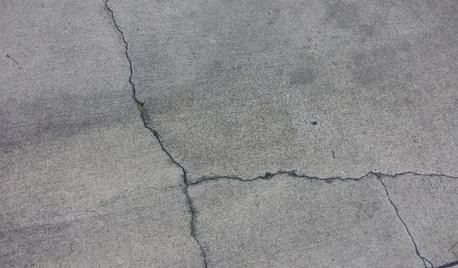
CONCRETEWhy Concrete Wants to Crack
We look at the reasons concrete has a tendency to crack — and what you can do to help control it
Full Story
anntn6b
lplantagenet7AVAOriginal Author
Related Professionals
Springfield Landscape Architects & Landscape Designers · Pittsburg Landscape Architects & Landscape Designers · Fort Worth Landscape Architects & Landscape Designers · Altoona Landscape Architects & Landscape Designers · Middletown Landscape Contractors · La Crosse Landscape Contractors · Middletown Home Builders · Frederick Home Builders · Davenport Home Builders · Lima Home Builders · Aberdeen Home Builders · Watertown Home Builders · Madison Home Builders · Gallup Home Builders · Evanston Home Buildersanntn6b
lplantagenet7AVAOriginal Author