

rose dieback
14 years ago
Sort by:Oldest
Comments (4)
Related Stories
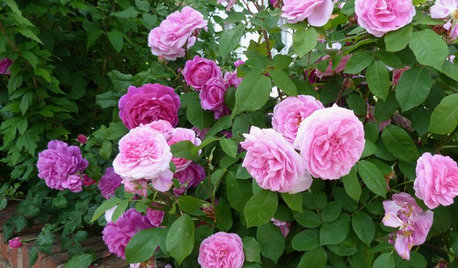
GARDENING GUIDESWhat Kind of Roses Should You Grow?
Want to add the beauty of roses to your garden? Find out which ones, from old-fashioned to modern, are right for you
Full Story
WINTER GARDENINGPruning Secrets for Exquisite Roses
Encourage gorgeous blooms year after year with this time-tested advice on how to prune your rosebush in winter for health and shape
Full Story
GARDENING GUIDESGreat Lakes Gardener's September Checklist
Watching wildlife, gathering leaves and watching a rainbow of roses and asters are high priorities in Great Lakes gardens this month
Full Story0
EARTH DAY5 Ideas for a More Earth-Friendly Garden
Consider increasing the size of garden beds, filtering rainwater and using plants to reduce energy use
Full Story
FALL GARDENING6 Deer-Resistant Flowering Vines to Plant This Fall
Have a major deer problem? Here are some of the only vines that have a chance of not being eaten
Full Story
LANDSCAPE DESIGNDream Spaces: 10 Secluded Garden Nooks
Sometimes dreaminess is a single bench or a romantic table for 2 tucked amid greenery. See for yourself
Full Story
LANDSCAPE DESIGN7 Low-Maintenance Lawn Alternatives
Turf isn't the only ground cover in town. Get a lush no-grass lawn with clover, moss and other easy-care plants
Full Story
REGIONAL GARDEN GUIDESGreat Lakes Gardener's June Checklist
Hear the berries beckoning? Pluck them while enjoying the wealth of garden blossoms and maybe kicking out a few bugs this month
Full Story0



strawchicago z5
michaelg
Related Professionals
Saint Joseph Landscape Architects & Landscape Designers · Portsmouth Landscape Architects & Landscape Designers · Hilo Landscape Architects & Landscape Designers · Edmonton Landscape Architects & Landscape Designers · Panama City Landscape Contractors · McAllen Landscape Contractors · Albert Lea Landscape Contractors · Duluth Landscape Contractors · Little Rock Home Builders · Gainesville Home Builders · Topeka Home Builders · Clarksburg Home Builders · Akron Home Builders · Youngstown Home Builders · Erie Home Buildershoovb zone 9 sunset 23
barbarag_happy