

Greenhouse ?
16 years ago
Sort by:Oldest
Comments (12)
Related Stories
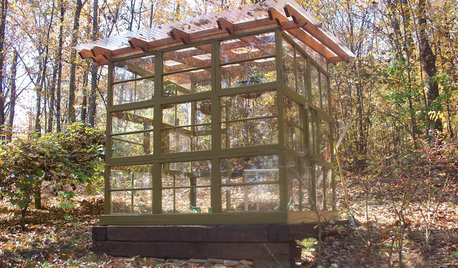
GARDENING AND LANDSCAPINGSee a Family Greenhouse Grown From Scraps
Can-do resourcefulness and less than $400 lead to a new 8- by 8-foot home for plants on a Tennessee family's property
Full Story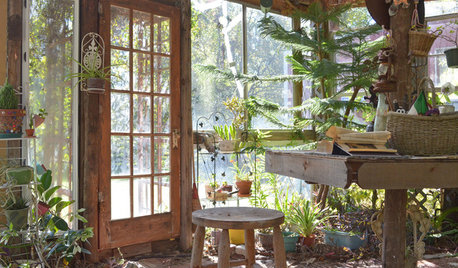
GREENHOUSESA Greenhouse Rises From Texas Tornado Wreckage
Barn damage became a blessing in disguise for a thrifty, creative couple with a hankering for more greenery
Full Story
Houzz Call: Show Us Your Greenhouse
Submit a photo of your greenhouse and share what's growing!
Full Story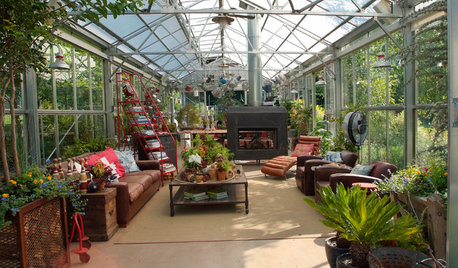
LANDSCAPE DESIGNA Luxury Greenhouse Lures Manhattanites to the Country
Industrial meets rustic in this stunning new structure for living and entertaining in rural Pennsylvania
Full Story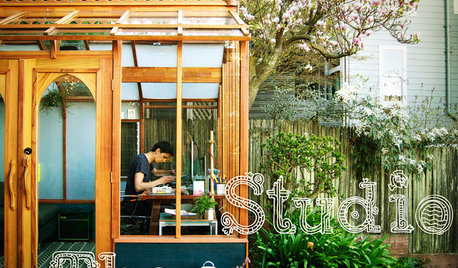
OUTBUILDINGSStudio Solution: A Kit Greenhouse Becomes a Creative Private Office
See how an inventive work-from-home designer made an office from a greenhouse, for some inspired thinking in the backyard
Full Story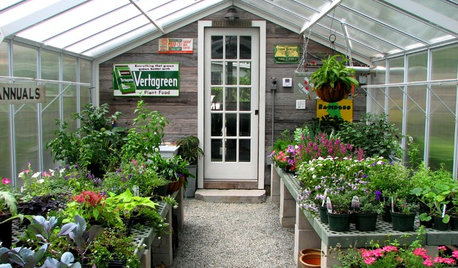
OUTBUILDINGSRoom of the Day: An Old Shed Becomes a Spa and Greenhouse
A garden-loving couple create the perfect place to have a soak and putter with their plants year-round
Full Story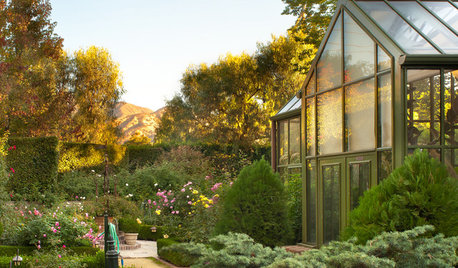
GREENHOUSESGreenhouses Bring Gardens in From the Cold
Get a jump start on summer plantings even if spring chills linger with a greenhouse or cold frames in your backyard
Full Story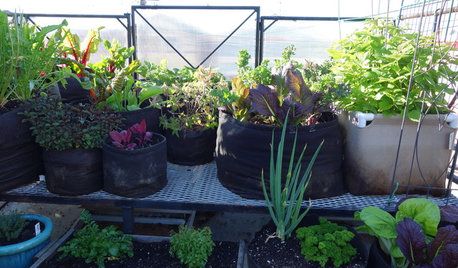
FARM YOUR YARDAn Urban Greenhouse Overflows With Edibles
Making meals just means stepping into the yard for a San Francisco couple who revamped an old orchid house
Full Story
DECORATING GUIDESGo for a Greenhouse Effect With an Exotic Conservatory
Cultivate a rarified hothouse feel with or without all-glass walls; these inspiration photos and product picks show you how
Full Story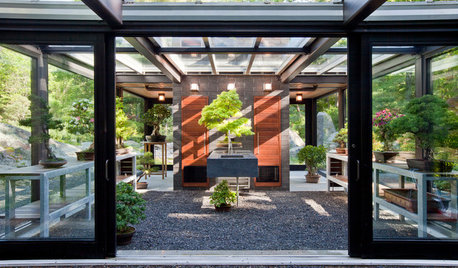
OUTBUILDINGSModern Masters Inspire a Glass Garden House
Distilled down to structural steel and glass, this greenhouse and tearoom in Massachusetts is tops in elegance
Full Story
More Discussions
oakhill (zone 9A, Calif.)
User
Related Professionals
California Landscape Architects & Landscape Designers · Killeen Landscape Architects & Landscape Designers · Ithaca Landscape Architects & Landscape Designers · Annapolis Landscape Contractors · Longview Landscape Contractors · Kankakee Landscape Contractors · Rockford Landscape Contractors · South Bend Landscape Contractors · Portland Landscape Contractors · Madison Landscape Contractors · San Francisco Landscape Contractors · Las Cruces Landscape Contractors · DeRidder Tile and Stone Contractors · Durango Tile and Stone Contractors · Carson City Tile and Stone Contractorsoakhill (zone 9A, Calif.)
oakhill (zone 9A, Calif.)
Dan _Staley (5b Sunset 2B AHS 7)
oakhill (zone 9A, Calif.)
Dan _Staley (5b Sunset 2B AHS 7)
User
Dan _Staley (5b Sunset 2B AHS 7)
oakhill (zone 9A, Calif.)
Dan _Staley (5b Sunset 2B AHS 7)
oakhill (zone 9A, Calif.)