

When to start a compost pile?
19 years ago
Sort by:Oldest
Comments (7)
Related Stories

GARDENING GUIDESGet on a Composting Kick (Hello, Free Fertilizer!)
Quit shelling out for pricey substitutes that aren’t even as good. Here’s how to give your soil the best while lightening your trash load
Full Story
DECORATING GUIDESFigured Velvet Piles On a Luxurious Look
When is it enviable to be a little loopy? When the loops comprise a gorgeously textured fabric like this one
Full Story
FARM YOUR YARD6 Things to Know Before You Start Growing Your Own Food
It takes time and practice, but growing edibles in the suburbs or city is possible with smart prep and patience
Full Story
GARDENING GUIDES10 Tips to Start a Garden — Can-Do Ideas for Beginners
Green up your landscape even if you're short on time, money and knowledge, with these manageable steps for first-time gardeners
Full Story
GARDENING GUIDESHow to Stop Worrying and Start Loving Clay Soil
Clay has many more benefits than you might imagine
Full Story
DECLUTTERING5 Ways to Jump-Start a Whole-House Decluttering Effort
If the piles of paperwork and jampacked closets have you feeling like a deer in the headlights, take a deep breath and a baby step
Full Story
GARDENING GUIDESGet a Head Start on Planning Your Garden Even if It’s Snowing
Reviewing what you grew last year now will pay off when it’s time to head outside
Full Story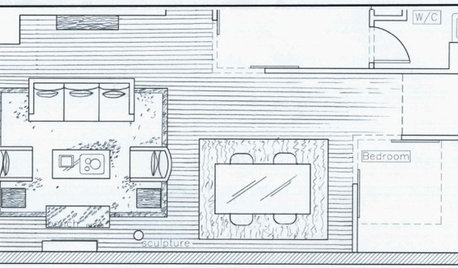
DECORATING GUIDES9 Planning Musts Before You Start a Makeover
Don’t buy even a single chair without measuring and mapping, and you’ll be sitting pretty when your new room is done
Full Story
ORGANIZINGHelp for Whittling Down the Photo Pile
Consider these 6 points your personal pare-down assistant, making organizing your photo collection easier
Full Story
ENTRYWAYSOrganizing Starts at the Door
You don't need fancy bins and containers to keep your entryway tidy — just a system that sticks
Full Story
bpgreen
Kimmsr
Related Professionals
Alexandria Landscape Architects & Landscape Designers · Covington Landscape Architects & Landscape Designers · Atlantic City Landscape Architects & Landscape Designers · Cookeville Landscape Architects & Landscape Designers · Lynchburg Landscape Architects & Landscape Designers · Fort Dodge Landscape Architects & Landscape Designers · Paducah Landscape Contractors · Mobile Landscape Contractors · Belleville Landscape Contractors · Springfield Landscape Contractors · Sierra Vista Landscape Contractors · Las Vegas Landscape Contractors · Elkton Stone, Pavers & Concrete · Mesquite Stone, Pavers & Concrete · Cheyenne Stone, Pavers & Concretepablo_nh
bloominidiotOriginal Author
gardenfanatic2003
robertzone6
gonefishin