

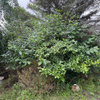
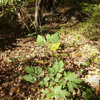
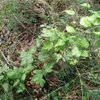
please help identify this weeping (?) tree
19 years ago
Sort by:Oldest
Comments (8)
Related Stories

SUMMER GARDENINGHouzz Call: Please Show Us Your Summer Garden!
Share pictures of your home and yard this summer — we’d love to feature them in an upcoming story
Full Story
ORGANIZINGHelp for Whittling Down the Photo Pile
Consider these 6 points your personal pare-down assistant, making organizing your photo collection easier
Full Story
ORGANIZING4 Questions to Help You Organize Your Favorite Photos
Organize your keeper photos with a system that's just right for you, whether it's in the cloud or you can hold it in your hand
Full Story
LIFEDecluttering — How to Get the Help You Need
Don't worry if you can't shed stuff and organize alone; help is at your disposal
Full Story
STANDARD MEASUREMENTSThe Right Dimensions for Your Porch
Depth, width, proportion and detailing all contribute to the comfort and functionality of this transitional space
Full Story
DECLUTTERINGDownsizing Help: How to Edit Your Belongings
Learn what to take and what to toss if you're moving to a smaller home
Full Story
GARDENING GUIDESTree Care: Common Tree Diseases and What to Do About Them
Learn to recognize trees that may be affected by diseases or pests so you can quickly take action
Full Story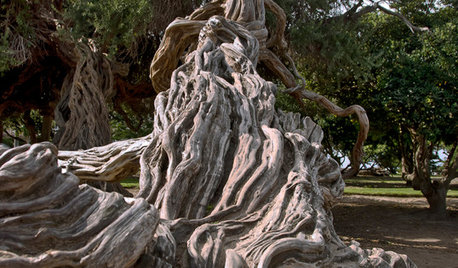
GARDENING GUIDESGreat Design Tree: Australian Tea Tree
A living sculpture with an unmistakable appearance, this coastal native creates an intriguing landscape scene
Full Story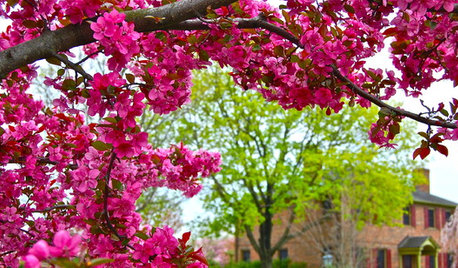
FALL GARDENING6 Trees You'll Fall For
Don’t put down that spade! Autumn is the perfect time for planting these trees
Full Story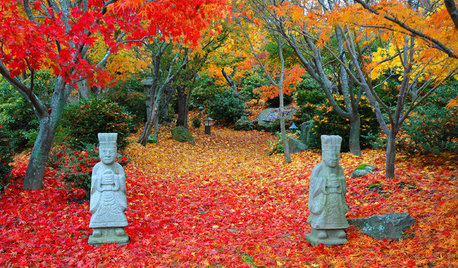
FALL GARDENING11 Trees for Brilliant Fall Color
Give your landscape the quintessential look of autumn with the red, orange and yellow leaves of these standouts
Full Story
User
j_nail
Related Professionals
Huntsville Landscape Architects & Landscape Designers · Middletown Landscape Architects & Landscape Designers · Elkton Landscape Architects & Landscape Designers · Columbus Landscape Architects & Landscape Designers · Lebanon Landscape Architects & Landscape Designers · Nashua Landscape Architects & Landscape Designers · Portsmouth Landscape Architects & Landscape Designers · Hackettstown Landscape Architects & Landscape Designers · Florence Landscape Contractors · Fort Myers Landscape Contractors · Ocala Landscape Contractors · Santa Rosa Landscape Contractors · Temecula Landscape Contractors · Las Cruces Landscape Contractors · Kalamazoo Stone, Pavers & Concreteflora_uk
Embothrium
j_nail
Embothrium
j_nail
flora_uk