

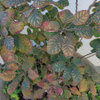
Dwarf Norway Spruce Needle Drop
18 years ago
Sort by:Oldest
Comments (4)
Related Stories
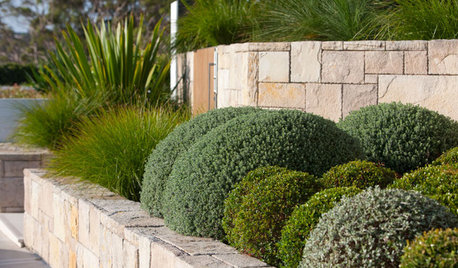
GARDENING GUIDESDesigning With Conifers: Find the Perfect Fit for Your Landscape
Conifers range from fairy-garden size to 70 feet tall. Here’s how to decifer the plant tag for the perfect long-term fit in your garden
Full Story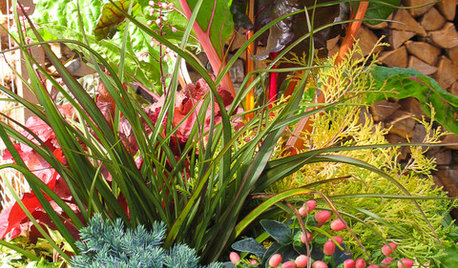
PLANTING IDEASStretch the Budget, Seasons and Style: Add Conifers to Your Containers
Small, low-maintenance conifers are a boon for mixed containers — and you can transplant them to your garden when they’ve outgrown the pot
Full Story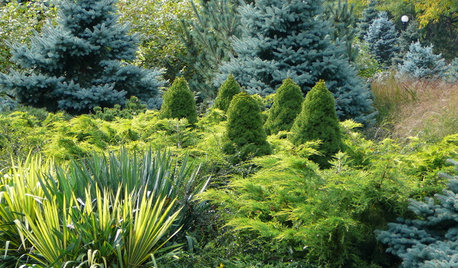
PLANTING IDEASDesigning With Conifers: Layers of Texture for Your Garden
Sharp and prickly or fine like ferns, richly textured conifers bring unexpected interest to the landscape
Full Story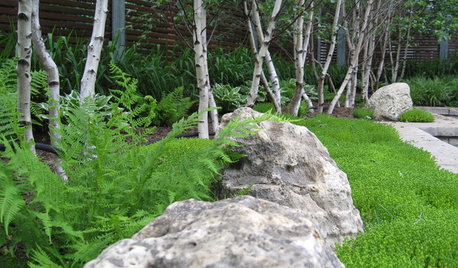
LANDSCAPE DESIGNFor Garden Drama, Consider the Lowly Boulder
A boulder can be a thing of beauty in the landscape. Here are 10 ways to display them to full effect
Full Story
GARDENING GUIDESHow to Pick a Mulch — and Why Your Soil Wants It
There's more to topdressing than shredded wood. Learn about mulch types, costs and design considerations here
Full Story
LANDSCAPE DESIGNGet Along With Less Lawn — Ideas to Save Water and Effort
Ditch the mower and lower your water bill while creating a feast for the eyes with diverse plantings and gathering places
Full Story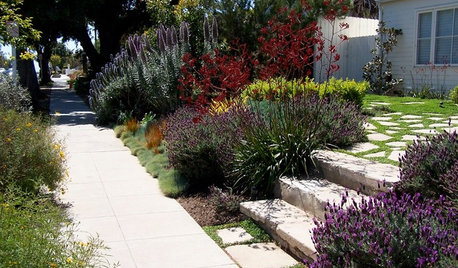
LAWN ALTERNATIVESStop Fighting the Patchy Lawn!
Here are 3 situations where a garden may be a better idea than more turfgrass
Full Story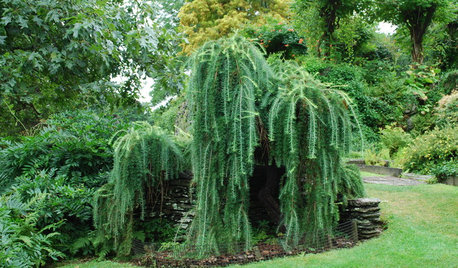
GARDENING GUIDESGreat Design Plant: Larix Decidua ‘Pendula’
Soft, graceful and sculptural, weeping larch is a star in northern U.S. gardens
Full Story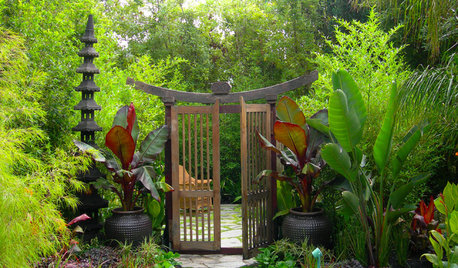
CONTAINER GARDENS10 Ways to Take Containers Beyond the Patio
Enliven your landscape with pots and containers
Full Story
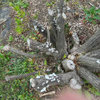
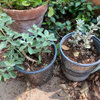
Dibbit
duluthinbloomz4
Related Professionals
Flint Landscape Architects & Landscape Designers · Oxnard Landscape Architects & Landscape Designers · Victorville Landscape Architects & Landscape Designers · Spokane Landscape Architects & Landscape Designers · Terre Haute Landscape Contractors · Chambersburg Landscape Contractors · Murfreesboro Landscape Contractors · Westerly Landscape Contractors · Madison Landscape Contractors · Athens Home Builders · Florence Home Builders · Cape Girardeau Home Builders · Richmond Home Builders · Albert Lea Home Builders · Carson City Home BuildersgeneralgeorgeOriginal Author
petzold6596