

Aquatic Plant ID's
18 years ago
Sort by:Oldest
Comments (6)
Related Stories

COASTAL STYLEFishy Business: Tilt the Scales With Aquatic Decor
A marine element can add a splash of whimsy to your home
Full Story
GARDENING AND LANDSCAPINGGreat Design Plant: Cape Rush
Versatile and adaptable, this low-maintenance ornamental grass provides an element of calm
Full Story
NATIVE PLANTSGreat Design Plant: Color Outside the Lines With Bluebell Bellflower
Plant this Campanula on pathway and patio edges for shots of bright blue from May through September
Full Story
GARDENING GUIDESInvite Mining Bees to Your Garden by Planting Their Favorite Plants
Look for mining bees (Andrena) pollinating woodland wildflowers in U.S. gardens this spring
Full Story
NATIVE PLANTSGreat Native Plant: Grow Wild Quinine for Its Unique Clusters of Blooms
Get connoisseur cred and unique blooms with this uncommon plant. Bonus assets: It’s low maintenance and drought tolerant
Full Story
GARDENING GUIDESGreat Design Plant: Cephalanthus Occidentalis
Buttonbush is an adaptable woody shrub with delightful pincushion flowers
Full Story
NATIVE PLANTSGreat Design Plant: Wild Bergamot, Friend of Foragers
Nourish butterflies and other winged creatures with the tubular flowers of Monarda fistulosa, a pretty pink native
Full Story
GARDENING GUIDESGreat Design Plant: Little Bluestem Goes Above and Beyond
It thrives in poor soil and provides food and shelter for wildlife. Plus, Schizachyrium scoparium is just a darn pretty native grass
Full Story
GARDENING GUIDESGreat Design Plant: Butterfly Milkweed, a Beacon in the Prairie
Vivacious orange flowers for you, nectar for the butterflies and bees. Asclepias tuberosa is worth planting for more reasons than one
Full Story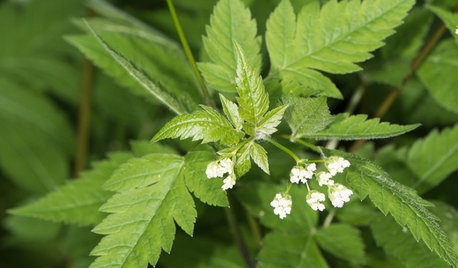
GARDENING GUIDESGreat Design Plant: Osmorhiza Longistylis Provides Texture and Form
Plant longstyle sweetroot in midwestern and eastern U.S. woodland gardens for its fern-like foliage and crisp white flowers
Full Story
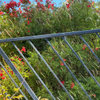
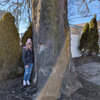
Iris GW
bhpguyOriginal Author
Related Professionals
Philadelphia Landscape Architects & Landscape Designers · Detroit Landscape Architects & Landscape Designers · Buffalo Landscape Architects & Landscape Designers · Milwaukee Landscape Architects & Landscape Designers · Lagrange Landscape Architects & Landscape Designers · Annapolis Landscape Contractors · Clarksdale Landscape Contractors · Anniston Landscape Contractors · Lewiston Landscape Contractors · Wichita Stone, Pavers & Concrete · York Stone, Pavers & Concrete · Frisco Stone, Pavers & Concrete · Torrington Stone, Pavers & Concrete · Cedar Rapids Stone, Pavers & Concrete · London Stone, Pavers & Concreteweedwoman
bhpguyOriginal Author
weedwoman
bhpguyOriginal Author