

Soil 'sweetener'
17 years ago
Sort by:Oldest
Comments (7)
Related Stories

COOL-SEASON CROPSCool-Season Vegetables: How to Grow Parsnips
This unfairly maligned root vegetable is the ideal choice for a winter garden, sweetening with the frost and having a long storage life
Full Story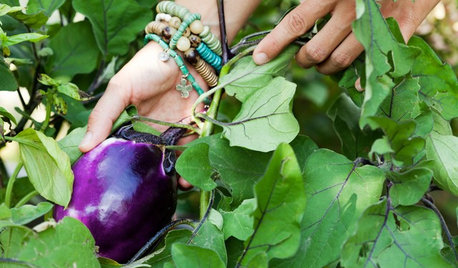
EDIBLE GARDENSHouzz Call: What Did You Grow This Summer?
Let’s celebrate the homegrown fruits and vegetables of the season. Post your pictures and tell us about your harvest
Full Story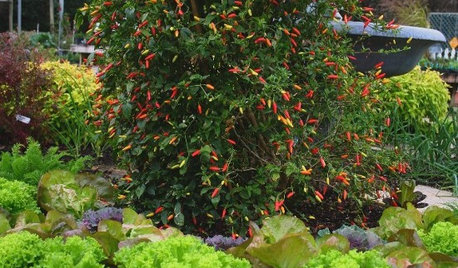
EDIBLE GARDENS6 Summer Edibles That Can Really Take the Heat
When garden temperatures soar, these herbs and vegetables rise to the challenge
Full Story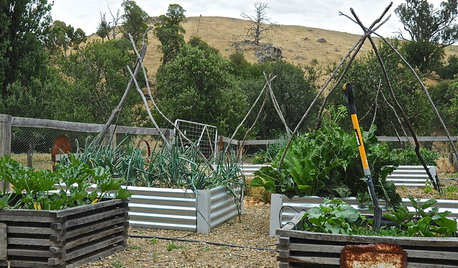
FARM YOUR YARD9 Ways to Change Up Your Vegetable Garden for the Coming Season
Try something new for edible plantings that are more productive than ever
Full Story
GARDENING GUIDESGreat Design Plant: Kumquats for a Juiced-Up Winter
Grow it for the edible fruit or its good looks alone. This citrus cousin will brighten any gray winter day
Full Story
COOL-SEASON CROPSCool-Season Vegetables: How to Grow Salad Greens
From arugula to radicchio, greens have taken a top spot on the table and in fall and winter gardens. See how to start growing them now
Full Story
PETSPet-Proofing Your Home: A Room-by-Room Guide
Not all pet dangers are obvious. Keep furry friends safe and sound by handling all of these potential hazards
Full Story
HERBSHerb Garden Essentials: Grow Your Own Zesty Lemongrass
Add lemony goodness to cooking and tropical flavor to your yard with this grass-like herb native to Southeast Asia
Full Story
FARM YOUR YARDAn Urban Greenhouse Overflows With Edibles
Making meals just means stepping into the yard for a San Francisco couple who revamped an old orchid house
Full Story
FEEL-GOOD HOMEEasy Ways to Spruce Up Your Summer Vacation Rental
If your rented cabin, cottage or beach shack isn’t up to par, fear not. A few tweaks can make it more comfortable
Full Story
tapla (mid-Michigan, USDA z5b-6a)
Kimmsr
Related Professionals
Saint Joseph Landscape Architects & Landscape Designers · Everett Landscape Architects & Landscape Designers · Augusta Landscape Contractors · Chillicothe Landscape Contractors · Dubuque Landscape Contractors · Pittsfield Landscape Contractors · Vancouver Landscape Contractors · Killeen Stone, Pavers & Concrete · Bangor Stone, Pavers & Concrete · Lincoln Stone, Pavers & Concrete · Plattsburgh Stone, Pavers & Concrete · Modesto Stone, Pavers & Concrete · Farmington Stone, Pavers & Concrete · Provo Stone, Pavers & Concrete · Chatham Stone, Pavers & Concretetapla (mid-Michigan, USDA z5b-6a)
Kimmsr
tapla (mid-Michigan, USDA z5b-6a)
dchall_san_antonio
tapla (mid-Michigan, USDA z5b-6a)