

Pruning of Fruit/Nut Trees
18 years ago
Sort by:Oldest
Comments (3)
Related Stories
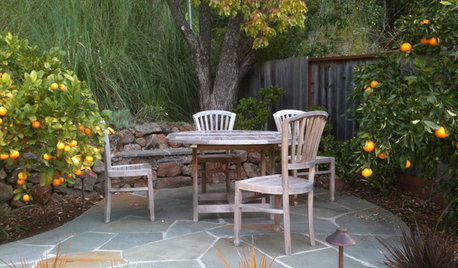
GARDENING AND LANDSCAPINGCrazy for Fruit Trees
Whether a single citrus or a mini apple orchard, even the smallest landscape space can bear deliriously delicious fruit
Full Story
EDIBLE GARDENSHow to Grow 10 Favorite Fruit Trees at Home
Plant a mini orchard in fall, winter or early spring to enjoy fresh-off-the-tree fruit the following year
Full Story
FARM YOUR YARDIf You Have Room for Only One Fruit Tree ...
Juice up a small garden with one of these easier-care or worth-the-effort fruit trees for a mild climate
Full Story
WINTER GARDENINGPruning Secrets for Exquisite Roses
Encourage gorgeous blooms year after year with this time-tested advice on how to prune your rosebush in winter for health and shape
Full Story
GARDENING GUIDESGot Frost-Damaged Plants? How It Happens, and When and How to Prune
Don’t rush to cut back brown, brittle growth after a freeze
Full Story
EDIBLE GARDENSGrow Plum Hybrids for Your Favorite Fruit Flavors
Plums are cozying up with apricots, peaches and even cherries — here’s how to grow these hybrids for the best aspects of each
Full Story
FALL GARDENING5 Fall Fruits You Can Grow in Containers
Brighten your porch or patio with a potted pomegranate, kumquat, blueberry bush or another great fall fruit
Full Story
GARDENING GUIDESGreat Design Plant: Grow Blueberries for Their Fruit and More
Eastern gardeners should consider growing blueberry plants for their delicious fruits, bee-friendly spring blooms and brilliant fall foliage
Full Story
EDIBLE GARDENSHow to Add an Apple Tree to Your Edible Garden
Readily available, beautiful and fragrant, apple trees offer four-season interest along with crisp, juicy fruit
Full Story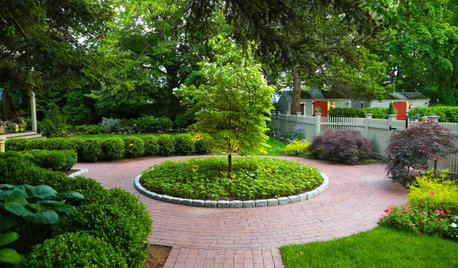
GARDENING GUIDESWhen and How to Plant a Tree, and Why You Should
Trees add beauty while benefiting the environment. Learn the right way to plant one
Full Story


ken_adrian Adrian MI cold Z5
Dibbit
Related Professionals
Gainesville Landscape Architects & Landscape Designers · Jacksonville Landscape Architects & Landscape Designers · Rocky Mount Landscape Architects & Landscape Designers · Lawrenceburg Landscape Architects & Landscape Designers · Harrisonburg Landscape Architects & Landscape Designers · Chillicothe Landscape Architects & Landscape Designers · Bridgeport Landscape Architects & Landscape Designers · Denver Landscape Architects & Landscape Designers · Johnson City Landscape Contractors · Portsmouth Landscape Contractors · Savannah Home Additions · Aberdeen Home Additions · McComb Home Additions · Providence Home Additions · Tacoma Home Additionsscotjute Z8Original Author