

Can I use or amend?
16 years ago
Sort by:Oldest
Comments (3)
Related Stories
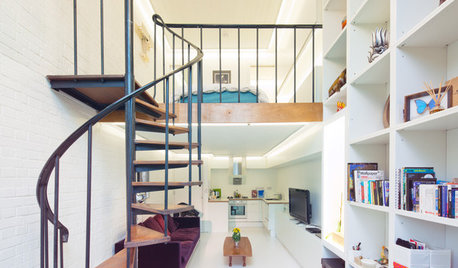
REMODELING GUIDESAsk an Architect: How Can I Carve Out a New Room Without Adding On?
When it comes to creating extra room, a mezzanine or loft level can be your best friend
Full Story

LIVING ROOMSIdeabook 911: How Can I Make My Living Room Seem Bigger?
10 Ways to Make a Small Space Live Large
Full Story
THE POLITE HOUSEThe Polite House: Can I Put a Remodel Project on Our Wedding Registry?
Find out how to ask guests for less traditional wedding gifts
Full Story
LIFEThe Polite House: How Can I Kindly Get Party Guests to Use Coasters?
Here’s how to handle the age-old entertaining conundrum to protect your furniture — and friendships
Full Story
LIFEThe Polite House: How Can I Tell a Construction Crew to Pipe Down?
If workers around your home are doing things that bother you, there’s a diplomatic way to approach them
Full Story
GARDENING GUIDES10 Tips to Start a Garden — Can-Do Ideas for Beginners
Green up your landscape even if you're short on time, money and knowledge, with these manageable steps for first-time gardeners
Full Story
HOLIDAYS10 Ways Your Christmas Tree Can Live On After the Holidays
Learn how to recycle your Christmas tree and reap benefits for the environment
Full Story
GARDENING GUIDES3 Easy Ways You Can Garden for Nature
Your choice of plants can help wildlife while cleaning the air and water
Full Story
GARDENING GUIDESHouzz TV: Make a Worm Bin for Rich Soil and Happy Plants
A worm-powered compost bin that can fit under a sink turns food scraps into a powerful amendment for your garden. Here’s how to make one
Full Story
borderbarb
emily06
Related Professionals
Waco Landscape Architects & Landscape Designers · Muncie Landscape Architects & Landscape Designers · Portsmouth Landscape Architects & Landscape Designers · Erie Landscape Architects & Landscape Designers · Durango Landscape Architects & Landscape Designers · Pueblo Landscape Architects & Landscape Designers · Hot Springs Landscape Contractors · Effingham Landscape Contractors · Niles Landscape Contractors · Manhattan Landscape Contractors · San Jose Landscape Contractors · Honolulu Landscape Contractors · Kankakee Stone, Pavers & Concrete · Oxnard Stone, Pavers & Concrete · Calgary Stone, Pavers & ConcreteKimmsr