

too many bugs in lasagna bed?
17 years ago
Sort by:Oldest
Comments (4)
Related Stories
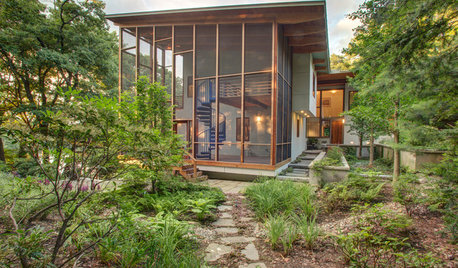
GARDENING AND LANDSCAPINGBreezy and Bug-Free Modern Porches
Screening keeps pests out of these diverse porches across the U.S., while thoughtful designs keep them visually appealing
Full Story
DIY PROJECTS12 Signs You've Caught the DIY Bug
Been making inventive things from scratch? Repurposing salvaged pieces creatively? It may be more serious than you think
Full Story
GARDENING AND LANDSCAPINGBid Bad Garden Bugs Goodbye and Usher In the Good
Give ants their marching orders and send mosquitoes moseying, while creating a garden that draws pollinators and helpful eaters
Full Story
PRODUCT PICKSGuest Picks: Decor to Make Your Eyes Bug Out
Insects are marching to a different tune these days, showing up on knobs, teapots and even tablecloths
Full Story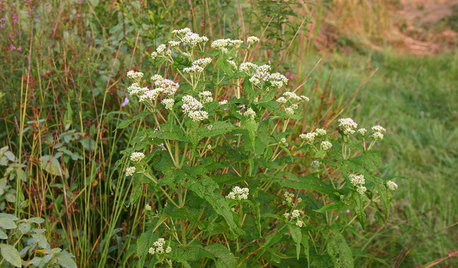
GARDENING GUIDESGreat Design Plant: Common Boneset Helps Good Bugs Thrive
Support bees, moths and butterflies with the nectar of this low-maintenance, versatile and tactile prairie-style plant
Full Story
HOUZZ TOURSHouzz Tour: 10 Acres, 3 Generations and Many Animals in North Carolina
Check out a throwback-style cabin that celebrates simplicity, reclaimed materials and family
Full Story
PRODUCT PICKSGuest Picks: Bedroom Decor a Little Boy Will Love
Set him up in a room filled with airplanes, maps and a bug or two, and you’ll be set for decor for years
Full Story
HEALTHY HOMENatural Beds: How to Shop for a Greener Mattress
Before bouncing from store to store, start here to find the right chemical-free mattress for you
Full Story
UPHOLSTERYThe Perks and Perils of Reupholstering Old Furniture
Secondhand upholstered pieces can add character to a room, but beware of bugs, snakes and hidden costs
Full Story
GARDENING AND LANDSCAPINGScreen the Porch for More Living Room (Almost) All Year
Make the Most of Three Seasons With a Personal, Bug-Free Outdoor Oasis
Full StorySponsored

Customized Award-Winning Interior Design Solutions in Franklin Cnty OH
toxcrusadr
gardenlen
Related Professionals
Elizabethtown Landscape Architects & Landscape Designers · Fayetteville Landscape Architects & Landscape Designers · Raleigh Landscape Architects & Landscape Designers · Anderson Landscape Architects & Landscape Designers · Gary Landscape Architects & Landscape Designers · Palm Bay Landscape Contractors · Bartlesville Landscape Contractors · Lynchburg Landscape Contractors · Gary Landscape Contractors · Saginaw Landscape Contractors · Hopkinsville Stone, Pavers & Concrete · DeRidder Stone, Pavers & Concrete · Branson Stone, Pavers & Concrete · Kearney Stone, Pavers & Concrete · La Crosse Stone, Pavers & ConcreteKimmsr
toxcrusadr