

lead contaminated soil
15 years ago
Sort by:Oldest
Comments (3)
Related Stories
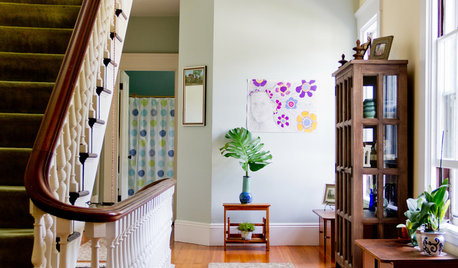
HEALTHY HOMEGet the Lead Out: Lead Safety at Home
Keep your family safe by properly testing for and dealing with lead in old painted surfaces, water and soil
Full Story
FARM YOUR YARDHow to Get Good Soil for Your Edible Garden
The nutrients in your soil feed the plants that feed you. Here are tips on getting it right — just in time for planting season
Full Story
GARDENING GUIDESGet the Dirt on Your Garden’s Soil
Understand how your soil supports your plants so you can ensure your garden’s success
Full Story
GARDENING GUIDES5 Prairie Wildflowers That Can Heal Your Soil
Get free, organic soil fertilizer with nitrogen-pumping plants that draw pollinators too
Full Story
LANDSCAPE DESIGNHow to Shape a Rain Garden and Create the Right Soil for It
Learn how to grade, lay out and amend the soil in your rain garden to support your plants
Full Story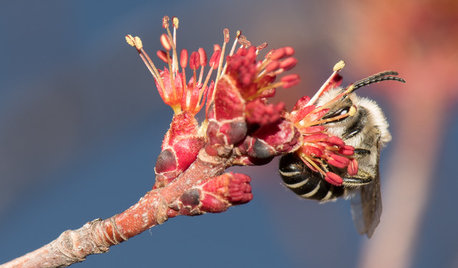
GARDENING GUIDESInvite Cellophane Bees to Your Garden by Providing Patches of Bare Soil
Look for cellophane bees (Colletes) pollinating flowering trees and shrubs in U.S. gardens this spring
Full Story
GARDENING AND LANDSCAPINGDry Riverbeds Solve Water Runoff
Spring rains don't have to lead to slides. Dry riverbeds redirect water runoff and add beauty to your landscape
Full Story
GARDENING GUIDESGarden Myths to Debunk as You Dig This Fall and Rest Over Winter
Termites hate wood mulch, don’t amend soil for trees, avoid gravel in planters — and more nuggets of garden wisdom
Full Story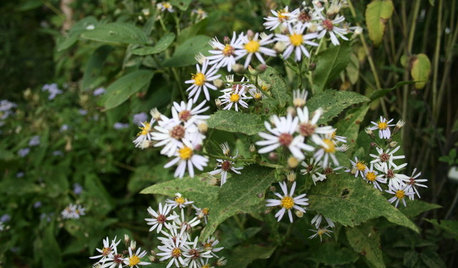
GARDENING GUIDES6 Native Ground Covers for Tough, Dry Spots
Sun beating down on your sandy gravel? Thick shade darkening your clay soil? There’s a ground cover here for you
Full Story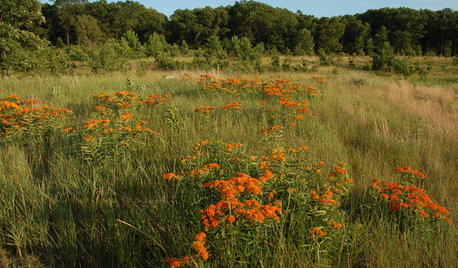
GARDENING GUIDESThe Art of Green Mulch
You can design a natural garden that doesn’t rely on covering your soil with wood and bark mulch
Full Story
feijoas
Kimmsr
Related Professionals
Little Rock Landscape Architects & Landscape Designers · Springfield Landscape Architects & Landscape Designers · Portsmouth Landscape Architects & Landscape Designers · Danbury Landscape Architects & Landscape Designers · Edmonton Landscape Architects & Landscape Designers · Madison Landscape Contractors · Crestview Stone, Pavers & Concrete · Jacksonville Stone, Pavers & Concrete · Tulsa Stone, Pavers & Concrete · North Adams Stone, Pavers & Concrete · Lebanon Stone, Pavers & Concrete · Brooklyn Stone, Pavers & Concrete · Utica Stone, Pavers & Concrete · Colorado Springs Stone, Pavers & Concrete · Saint George Stone, Pavers & Concretefeijoas