Software
Houzz Logo Print
dhi1971

Should I move a River Birch?

17 years ago

Hi,

I recently purchased some property in central Wisconsin. There is a river birch in the front yard, healthy and robust, young (about 4 1/2 feet tall). The tree is fine, but it's been planted pretty close (about 3 feet) to a young-ish white oak (about 1 1/2 feet diameter) that was undoubtedly there first. Some of the river birch branches are starting to touch the white oak.

Should I move the river birch to a clearer area, or will it be fine where it is? If so, how late can I move it, or should I get right on it? Thanks - -

Comments (7)

  • 17 years ago

    If you try, it will most likely not survive the transplant. If it is a native tree growing in the wild and has been there for a few years it will have a long tap root that will have to be pruned but some say it can be done.

  • 17 years ago

    in my z5 .. all of april is perfect ... so you are about the same ...

    why not go for it ... whats to lose ... if you have ability for PROPER aftercare ....

    start digging about 3 feet around the trunk ... hoping to get 18 to 24 inches of roots to move.. go bare root ... sever any tap root.. and dont give it another thought ...

    let us know if you dont know what PROPER aftercare is...

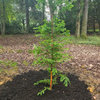
    here is a pic of what it should look like when your are done digging ... this is a cherry.. wild grown .. cut taproot.. doing just fine 2 years later ...

    {{gwi:325678}}

    i suppose.. after a bunch of digging.. there is no other root structure then abandon the job if its ONLY a taproot .. but frankly i have never seen such .. but i cant say i have ever dug up a river birch ...

    good luck
    ken

  • 17 years ago

    Thanks for the information. Proper aftercare - - please elaborate! thanks

  • 17 years ago

    Follow up = = I have confirmed that it's not a wild-grown tree but was planted there in 2007. It's been mulched.
    Again, thank you for the info!
    Dave

  • 17 years ago

    Move the Riverbirch. A tree planted 2 years ago will not have developed enough of a root system to be significantly damaged by being transplanted elsewhere.

    Just try to move the birch prior to it breaking dormancy. So do it as quickly as you can.

    After digging the birch, it is important to keep the roots from drying out, and to also replant it immediately after you have investigated to make certain the tree's roots are spread out as nicely as the tree roots can be seen to be in the photo Ken posted above.

  • 17 years ago

    PROPER AFTERCARE:

    dig hole.. insert roots.. maintain proper planting depth .... spread out roots.. refill with removed soil.. water properly ... mulch well .. and dont water again.. until your finger.. inserted past the second knuckle.. tells you the soil is dry or warm ...
    -----------------------
    most trees ... even the swamp trees ... need air in the root zone.. as much as they need water... DO NOT OVER WATER ... that is the key ... and it is tied very closely to your soil ... ONLY YOU can figure out how water moves thru your soil.. your finger will tell you all about it ....

    peeps with clay soil ... can have a lot of problems with water standing in the cauldron they dug ... but this doesnt appear in your facts ...

    first dig new hole .....

    start digging about 3 feet out from the trunk.. trying to make a cylinder about 2 to 3 feet from the trunk [you can always shave more off.. its really hard to put it back on.. lol ] ... when the cone is about 2 feet deep .. wrap with a towel or burlap .... and then undercut the ball ... and then drag it to the new hole .... insert.. roots down [always key].. lol ... refill 1/2 .. fill hole with water and let it drain away .. refill rest of soil ... water again.. mulch... insert finger once a week ...

    when digging ..... NEVER wrench the shovel tip toward the trunk ... the back of the spade faces the trunk.. and you dig away from the trunk.. trying to maintain some semblance of a root ball ... though in z5.. since your timing is perfect.. i wouldnt worry about going bare root if it happens ... as the date on the picture above notes ....

    ken

  • 17 years ago

    The instructions in Ken's April 5 12:15 post are generally very good.

    Only thing different from those instructions that you, dhi1971, will need to consider is the fact that you should not try to rootball the birches roots you dig up on the side of the oak tree. I mean if you follow those general instructions exactly you could end up damaging too many of the fine feeder roots on your nicely maturing oak tree that is growing only three feet away from your Birch.

    That is why I think it best you dig the tree immediately before it breaks dormancy. That way you can carefully remove the Birch tree's roots that you find have been invaded by the oak tree's feeder roots. Do that in a careful manner and that way any untangled oak feeder roots that you manage to prevent being damaged, and the roots that you damage which can still be saved with a little correction pruning, can also be repostitioned and filled back over with the dirt you had to remove to get out the Birch tree's bare roots on that side.

    Ken gave very good instructions for digging lots of trees in lots of conditons, but in your case you will be the only one who can tell how to handle getting the birch roots out that are on the oak tree's side.

    As long as your birch and oak trees are still dormant, be bold and do the best you can and make it your priority to do it now, if you have not already done the transplanting.

    Once your Birch tree is relocated and your oak's exposed feeder roots are respread and covered; simply, watch these two trees carefully in the summer and test the soil to make certain neither of them suffer from either too much water or too dry of conditons.

    Other than that, as long as the trees are planted in proper lighting exposure areas, then they should recover nicely in the growing season. You might find it beneficial to keep taking these watering precautions during the next 3 years of growing seasons, so they each have the chance to nicely re-establish both tree's roots that you will be disturbing this time when you dig and replant the Birch.