

Getting composting right
17 years ago
Sort by:Oldest
Comments (4)
Related Stories

GARDENING GUIDESGet on a Composting Kick (Hello, Free Fertilizer!)
Quit shelling out for pricey substitutes that aren’t even as good. Here’s how to give your soil the best while lightening your trash load
Full Story
REMODELING GUIDESGet the Lighting Right: 8 Mistakes to Avoid
See How These Great Interiors Found the Right Lighting Solutions
Full Story
KITCHEN DESIGNGet a Grip on Kitchen Cabinets With the Right Knobs and Pulls
Here's how to pair the right style, type and finish of cabinet hardware with your kitchen style
Full Story
RUGS10 Tips for Getting a Dining Room Rug Just Right
Is the rug you’re considering the right size, shape and weave for your dining room? Here’s what to keep in mind
Full Story
LIGHTING10 Ways to Get Your Lighting Right
Learn how to layer table lamps, floor lamps and overhead fixtures to get the lighting you need and the mood you want
Full Story
BATHROOM DESIGN10 Top Tips for Getting Bathroom Tile Right
Good planning is essential for bathroom tile that's set properly and works with the rest of your renovation. These tips help you do it right
Full Story
DECORATING GUIDESHow to Get Your Furniture Arrangement Right
Follow these 10 basic layout rules for a polished, pulled-together look in any room
Full Story
DECORATING GUIDESHow to Get Your Window Treatment Right
Here's the lingo to know to get the draperies you really want
Full Story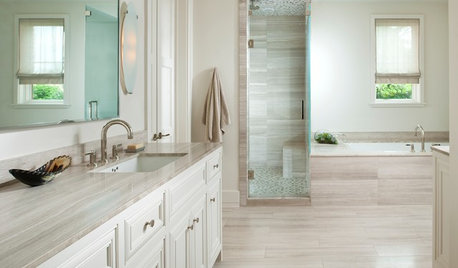
COLORBathed in Color: How to Get White Right in the Bath
Get the pure look you want without going institutional by paying attention to tone, texture and sheen in an all-white bathroom
Full Story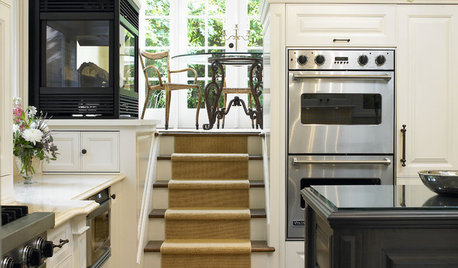
REMODELING GUIDESThese Split-Level Homes Get the Style Right
A suburban architecture style gets a welcome update with open floor plans and chic design touches
Full Story
joepyeweed
ericwi
Related Professionals
Gainesville Landscape Architects & Landscape Designers · Jacksonville Landscape Architects & Landscape Designers · York Landscape Architects & Landscape Designers · New London Landscape Architects & Landscape Designers · Peoria Landscape Architects & Landscape Designers · Bakersfield Landscape Architects & Landscape Designers · Everett Landscape Architects & Landscape Designers · Salina Landscape Contractors · Hartford Landscape Contractors · Worthington Landscape Contractors · Montrose Landscape Contractors · York Landscape Contractors · Atlanta Stone, Pavers & Concrete · Hopkinsville Stone, Pavers & Concrete · Newburyport Stone, Pavers & ConcreteptildaOriginal Author
cheapheap