

Garden Tractor Problem -- Cylinder Won't Fire
17 years ago
Sort by:Oldest
Comments (6)
Related Stories
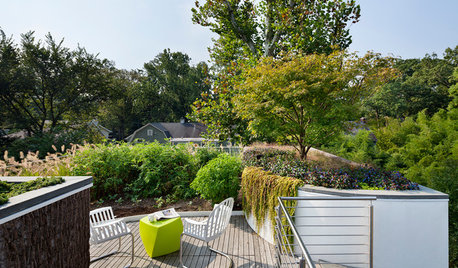
LANDSCAPE DESIGNProblem Solving With the Pros: Sustainable Landscape Captures Runoff
An underground cistern, permeable paving and a rain garden are part of this Washington, D.C. yard's thoughtful design
Full Story
GARDENING AND LANDSCAPING30 Dream Decks for Lounge Lovers
Magical settings and dazzling views create decks that are so dreamy, you won't want to leave
Full Story
FIREPLACESUpdated Woodstoves Keep Home Fires Burning
Better technology means more efficiency than ever for modern woodstoves
Full Story
DECLUTTERINGDecluttering — Don't Let Fear Hold You Back
Sure, you might make a mistake when tackling a decluttering project, but that's OK. Here's why
Full Story
FUN HOUZZ10 Things People Really Don’t Want in Their Homes
No love lost over fluorescent lights? No shocker there. But some of these other hated items may surprise you
Full Story
GARDENING GUIDESGet on a Composting Kick (Hello, Free Fertilizer!)
Quit shelling out for pricey substitutes that aren’t even as good. Here’s how to give your soil the best while lightening your trash load
Full Story
GARDENING GUIDESCalifornia Gardener's August Checklist
Share the veggie wealth, help plants sip smartly and don't forget to enjoy the simple pleasure of relaxing in your garden
Full Story
MOST POPULAR9 Real Ways You Can Help After a House Fire
Suggestions from someone who lost her home to fire — and experienced the staggering generosity of community
Full Story
GARDENING GUIDESGarden Myths to Debunk as You Dig This Fall and Rest Over Winter
Termites hate wood mulch, don’t amend soil for trees, avoid gravel in planters — and more nuggets of garden wisdom
Full Story
LIFEHard Winter? 9 Ways to Battle Cabin Fever
We know a lot of you are trapped where it just won’t stop snowing. Here are some ways to survive
Full Story
Sponsored
mikeinmadisonOriginal Author
walt2002
Related Professionals
Rocky Mount Landscape Architects & Landscape Designers · Boston Landscape Architects & Landscape Designers · Webster Landscape Architects & Landscape Designers · Lincoln Landscape Architects & Landscape Designers · Nashua Landscape Architects & Landscape Designers · Jamestown Landscape Architects & Landscape Designers · Lancaster Landscape Architects & Landscape Designers · Natchitoches Landscape Contractors · Barnstable Landscape Contractors · Selma Architects & Building Designers · Charlotte Architects & Building Designers · Fergus Falls Architects & Building Designers · Beatrice Architects & Building Designers · Saint George Architects & Building Designers · Everett Architects & Building Designerslarso1
baymee
rcmoser
mownie