

Bokashi Composting in Container?
18 years ago
Sort by:Oldest
Comments (6)
Related Stories

GARDENING GUIDESGet on a Composting Kick (Hello, Free Fertilizer!)
Quit shelling out for pricey substitutes that aren’t even as good. Here’s how to give your soil the best while lightening your trash load
Full Story
FARM YOUR YARDHow to Grow Vegetables in Containers
Get glorious vegetables and fruits on your patio with a pro’s guidance — including his personal recipe for potting mix
Full Story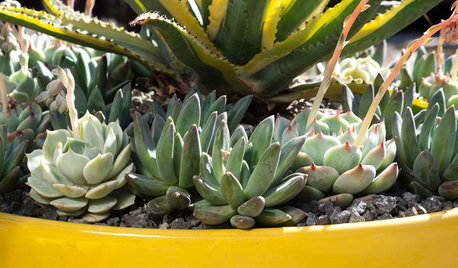
CONTAINER GARDENS3 Steps to Creating Quick, Easy and Colorful Succulent Containers
Take a bright container, add a colorful succulent or two and have a professional, summery design in minutes
Full Story
CONTAINER GARDENSContainer Gardening Basics: The Dirt on Soil
Learn the types of potting soil available and the best mixes to help your containers thrive
Full Story
CONTAINER GARDENSBeat the Frost With Natural Terra-Cotta Containers
Here's how to protect your pots during the cold winter months
Full Story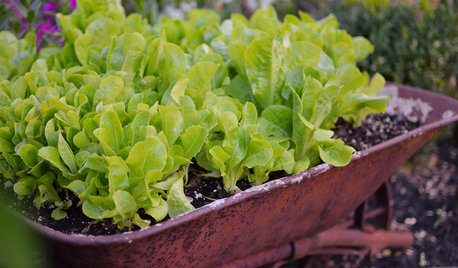
FARM YOUR YARD10 Easy Edibles to Grow in Containers
These herbs, vegetables and fruits are just as happy in a pot as they are in the ground
Full Story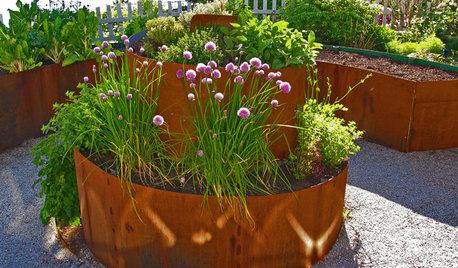
URBAN GARDENSContainers Make Growing Edibles a Cinch
If life hands you a lack of land, grow lemons — with a few basics, you can proudly reap the fruits, veggies and herbs of your labor
Full Story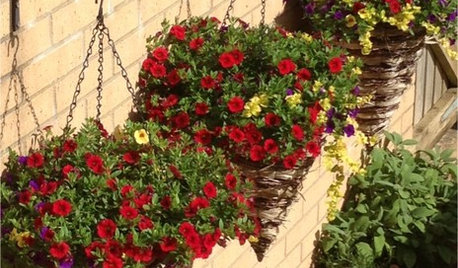
CURB APPEALCrazy for Colorful Cones: 5 Container Plantings Beyond the Bowl
Give even a small garden an exuberant vibe with hanging cones overflowing with blooming beauties
Full Story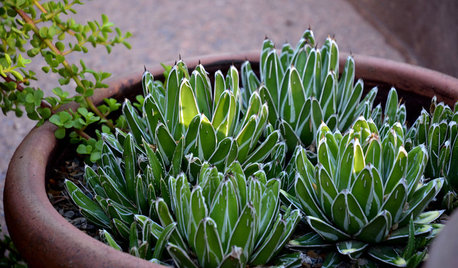
GARDENING GUIDES10 Small-Scale Agaves Just Right for Containers
Use these little living sculptures to enhance your outdoor spaces, from alfresco dining tables to urban courtyards
Full Story
GARDENING GUIDESHouzz TV: Make a Worm Bin for Rich Soil and Happy Plants
A worm-powered compost bin that can fit under a sink turns food scraps into a powerful amendment for your garden. Here’s how to make one
Full Story
robertz6
sszretterOriginal Author
Related Professionals
Daytona Beach Landscape Architects & Landscape Designers · Shreveport Landscape Architects & Landscape Designers · Clarksburg Landscape Architects & Landscape Designers · Jamestown Landscape Architects & Landscape Designers · Olean Landscape Architects & Landscape Designers · Kenosha Landscape Architects & Landscape Designers · Pensacola Landscape Contractors · Vidalia Landscape Contractors · Chattanooga Landscape Contractors · Killeen Landscape Contractors · Saint Cloud Landscape Contractors · York Landscape Contractors · Boise Stone, Pavers & Concrete · Twin Falls Stone, Pavers & Concrete · Seattle Stone, Pavers & Concretetclynx
emily06
Kimmsr
AlchemyAcres