

Straw nutrients value?
17 years ago
Sort by:Oldest
Comments (8)
Related Stories

GREEN BUILDINGInsulation Basics: Heat, R-Value and the Building Envelope
Learn how heat moves through a home and the materials that can stop it, to make sure your insulation is as effective as you think
Full Story
GREEN BUILDING11 Reasons to Live in a House of Straw
Don’t be fooled by the old folk tale. Straw bales are a strong, functional and good-looking building material
Full Story
GREEN BUILDINGWhy You Might Want to Build a House of Straw
Straw bales are cheap, easy to find and DIY-friendly. Get the basics on building with this renewable, ecofriendly material
Full Story
HOUZZ TOURSHouzz Tour: A Straw-Bale Getaway With Sweeping Views
Using passive solar and other green building methods, this Colorado home creates an energy-conscious vacation spot for a family of 5
Full Story
GARDENING GUIDESGardening Solutions for Dry, Sandy Soils
Has your desert or beachy site withered your gardening creativity? Try these ideas for a beautiful, easy-care landscape
Full Story
GARDENING GUIDESMistletoe Is Coming to Town
The sight of this mistletoe may not always bring about festive feelings, but for U.S. Southwest gardeners, it’s not all bad
Full Story
DECORATING GUIDESHemp, Hemp, Hooray! This Superplant May Be Legal Again in the USA
Hemp products are durable, sustainable, antibacterial and much more. Will the plant finally get the status it’s due in the States?
Full Story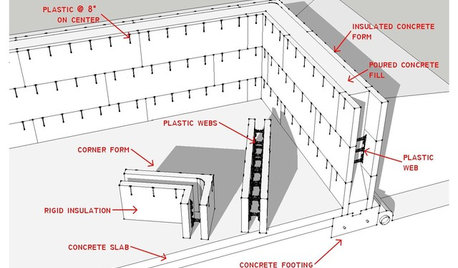
KNOW YOUR HOUSEKnow Your House: The Basics of Insulated Concrete Form Construction
Get peace and quiet inside and energy efficiency all around with this heavy-duty alternative to wood-frame construction
Full Story
GROUND COVERSGround Force: 10 Top Ground Covers for Your Garden
Protect your soil from weeds and drought this summer with a living mulch of ground covers
Full Story
GARDENING AND LANDSCAPING7 Out-of-the-Box Retaining Wall Ideas
Go Beyond Railroad Ties With Stylish Rock, Metal, Blocks, and Poured Concrete
Full Story
gjcore
gardengal48 (PNW Z8/9)
Related Professionals
Vincennes Landscape Architects & Landscape Designers · Greensboro Landscape Architects & Landscape Designers · Newburyport Landscape Architects & Landscape Designers · Mansfield Landscape Architects & Landscape Designers · Hudson Landscape Architects & Landscape Designers · Spring Landscape Contractors · Worthington Landscape Contractors · Providence Landscape Contractors · Albany Stone, Pavers & Concrete · Memphis Stone, Pavers & Concrete · Minneapolis Stone, Pavers & Concrete · Omaha Stone, Pavers & Concrete · Watertown Stone, Pavers & Concrete · Erie Stone, Pavers & Concrete · Amarillo Stone, Pavers & Concretevalerie_ru
valerie_ru
Kimmsr
Lloyd
petalpatsy
gardenlen