

Composting in winter
19 years ago
Sort by:Oldest
Comments (7)
Related Stories

GARDENING GUIDESGet on a Composting Kick (Hello, Free Fertilizer!)
Quit shelling out for pricey substitutes that aren’t even as good. Here’s how to give your soil the best while lightening your trash load
Full Story
GARDENING GUIDESGarden Myths to Debunk as You Dig This Fall and Rest Over Winter
Termites hate wood mulch, don’t amend soil for trees, avoid gravel in planters — and more nuggets of garden wisdom
Full Story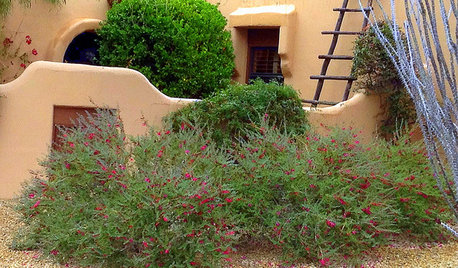
GARDENING GUIDESGreat Design Plant: Valentine Bush for Heartfelt Winter Color
Passionate red flowers from winter through spring add gorgeous color to bare Southwest landscapes
Full Story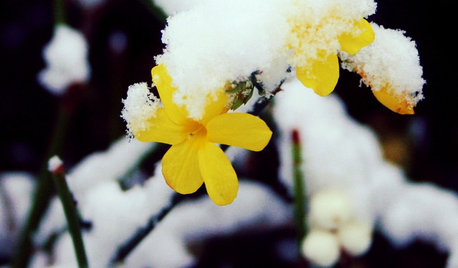
YELLOW FLOWERSGreat Design Plant: Winter Jasmine Gladdens Snowy Gardens
Sunny yellow flowers defy the frost, bringing cheer to the garden on gray days
Full Story
HOUSEPLANTSHow to Force Amaryllis Bulbs Indoors
Enjoy vibrant red blossoms even as gardens turn snowy white, by teaching this hardy repeat performer to ignore the calendar
Full Story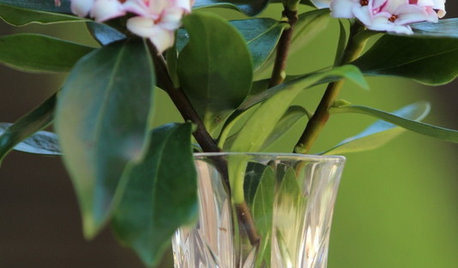
GARDENING GUIDESGreat Design Plant: Winter Daphne
Perfume your garden or home with the tiny pink flowers of this treasured shrub — it's a diva, but the effort is worth it
Full Story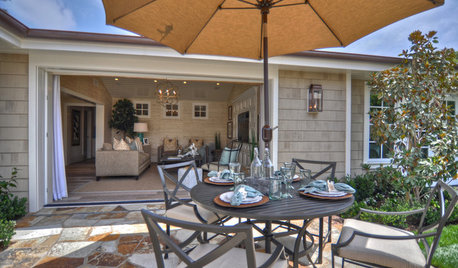
GARDENING AND LANDSCAPINGFall Checklist: 8 Ways to Winterize Your Patio
See how to get your deck or patio ready for cold, wet weather — and keep things in good shape for next spring
Full Story
ENTERTAININGBeat Winter's Chill With an Indoor Picnic
Build warm memories with loved ones by bringing lighthearted outdoor dining to your living room
Full Story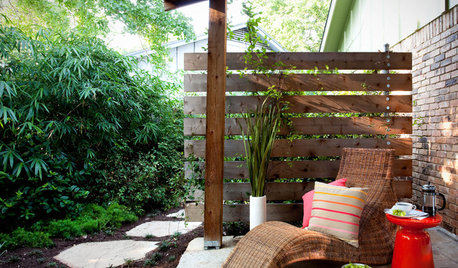
LANDSCAPE DESIGNThe Best Winter Garden Project? Plan for Next Year
Consider these 9 ideas now for a highly personal, truly enjoyable garden come spring
Full Story
GARDENING GUIDESMid-Atlantic Gardener's November Checklist
Winding down for winter means prepping, potting, piling and picking an indoor solution for daily compost
Full Story0

tclynx
tomatobob_va7
Related Professionals
West Palm Beach Landscape Architects & Landscape Designers · Macon Landscape Architects & Landscape Designers · Hagerstown Landscape Architects & Landscape Designers · Middletown Landscape Architects & Landscape Designers · New Bedford Landscape Architects & Landscape Designers · Coldwater Landscape Architects & Landscape Designers · Rome Landscape Contractors · Richmond Landscape Contractors · Sheboygan Landscape Contractors · Durango Landscape Contractors · Tacoma Landscape Contractors · Bloomington Stone, Pavers & Concrete · Bloomington Stone, Pavers & Concrete · Mission Viejo Stone, Pavers & Concrete · Lubbock Stone, Pavers & Concretejoepyeweed
Kimmsr
robertzone6
duluthinbloomz4
Kimmsr