

To Bare-Root or Not to Bare-Root...
15 years ago
Sort by:Oldest
Comments (11)
Related Stories
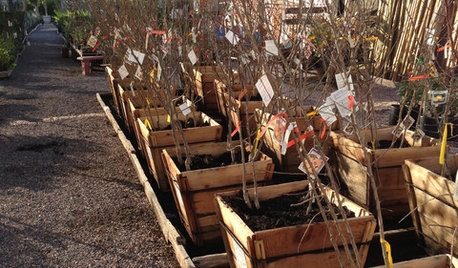
GARDENING GUIDESThe Beauty of Bare-Root Plants
Plant dormant trees and shrubs in fall using the easy, affordable bare-root method and enjoy beautiful results in spring
Full Story
ARCHITECTURERoots of Style: Colonial Monterey Sets the Stage for Unique Design
French, Spanish and English features mix in enigmatic Monterey-style architecture. Here's how to recognize this type of home
Full Story
ARCHITECTURERoots of Style: Do You Live in a Minimalist Traditional House?
Cottages, bungalows, farmhouses ... whatever you call them, houses in this style share several characteristics. See how many your house has
Full Story
ARCHITECTURERoots of Style: Spanish Colonial
Authentic examples are rare and quickly disappearing, but its widespread influence continues to inspire modern interpretations
Full Story
HOUZZ TOURSMy Houzz: Highlighting Farmhouse Roots in a Seattle Suburb
New and old mix with DIY touches in a remodeled 1928 home for a family of 6
Full Story
CENTRAL PLAINS GARDENINGGreat Design Plant: Culver's Root
Spiky summer blooms beloved by butterflies and architectural interest in winter make this Midwest native plant worth featuring in the garden
Full Story
GARDENING AND LANDSCAPINGGeometry Roots Great Garden Design
To learn why some garden designs seem particularly pleasing to the eye, look to mathematical shapes and patterns
Full Story
HOMES AROUND THE WORLDWorld of Design: A House That’s Barely There
A rural Australian home blurs the boundaries between indoors and outdoors, camping and permanence, privacy and transparency
Full Story
GARDENING GUIDESHow to Fix Bare and Yellow Lawn Spots
Restore your turf’s good looks by reseeding unsightly patches
Full Story
KITCHEN DESIGNKitchen of the Week: Creativity Shines in Seattle
Clever floor stencils and reused materials keep this Seattle kitchen true to its 1917 roots
Full Story


j0nd03
lisanti07028
Related Professionals
Lafayette Landscape Architects & Landscape Designers · Anderson Landscape Architects & Landscape Designers · Houston Landscape Architects & Landscape Designers · Manchester Landscape Architects & Landscape Designers · Canton Landscape Architects & Landscape Designers · Rapid City Landscape Architects & Landscape Designers · Elkton Landscape Contractors · Columbus Landscape Contractors · Clarksville Landscape Contractors · Potsdam Landscape Contractors · Scranton Landscape Contractors · Peoria Home Additions · Rutland Home Additions · Chico Home Additions · Tacoma Home Additionsbrandon7 TN_zone7Original Author
j0nd03
brandon7 TN_zone7Original Author
j0nd03
Dan _Staley (5b Sunset 2B AHS 7)
whaas_5a
brandon7 TN_zone7Original Author
tsugajunkie z5 SE WI ♱
Toronado3800 Zone 6 St Louis