

weeping cherry keeps itself down like dandelion leaves!
18 years ago
Sort by:Oldest
Comments (12)
Related Stories
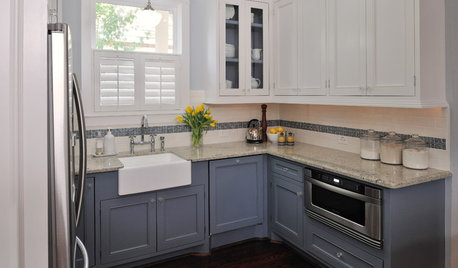
KITCHEN CABINETSKeeping Cabinet Color on the Down Low
Give just base cabinets a colorful coat for a kitchen sporting character and a spacious look
Full Story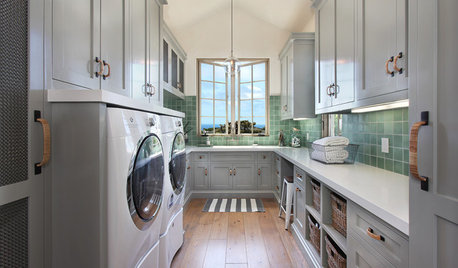
LAUNDRY ROOMSRoom of the Day: The Laundry Room No One Wants to Leave
The Hardworking Home: Ocean views, vaulted ceilings and extensive counter and storage space make this hub a joy to work in
Full Story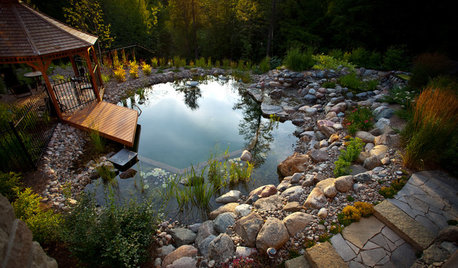
LANDSCAPE DESIGNNatural Swimming Pools: More Beauty, No Chemicals
Keep your skin and the environment healthy with a pool that cleans itself, naturally
Full Story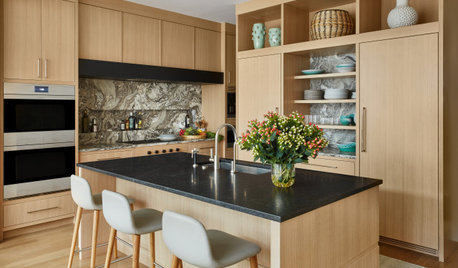
KITCHEN STORAGEStyle Your Open Kitchen Shelving Like a Pro
Follow these do’s and don’ts for arranging items on your kitchen shelves
Full Story
CONTAINER GARDENSPatio-Perfect Berry Bushes Like You’ve Never Seen
Small enough for pots but offering abundant fruit, these remarkable bred berries are a boon for gardeners short on space
Full Story
REMODELING GUIDESYour Floors: Zebra, Tiger, and Teak Wood, Oh, My!
Get the Pros and Cons of Exotic Woods: Hickory, Cherry, Rosewood and More
Full Story
KITCHEN DESIGN8 Top Hardware Styles for Shaker Kitchen Cabinets
Simple Shaker style opens itself to a wide range of knobs and pulls. See which is right for your own kitchen
Full Story
FALL GARDENING11 Trees for Brilliant Fall Color
Give your landscape the quintessential look of autumn with the red, orange and yellow leaves of these standouts
Full Story
Sourcebook: Traditional Style
For a refined look that leaves stuffiness in the past, bring home classic furniture and more from these companies and websites
Full Story
LIFE10 Ways to Honor and Remember a Departed Loved One at Home
Help the grieving process and keep beautiful memories alive with these thoughtful tributes
Full Story

lucky_p
chuehOriginal Author
Related Professionals
Frederick Landscape Architects & Landscape Designers · Orangeburg Landscape Architects & Landscape Designers · Virginia Beach Landscape Architects & Landscape Designers · Chicago Landscape Architects & Landscape Designers · Portland Landscape Architects & Landscape Designers · Oshkosh Landscape Architects & Landscape Designers · Tucson Landscape Architects & Landscape Designers · Albuquerque Landscape Architects & Landscape Designers · Missoula Landscape Architects & Landscape Designers · Fayetteville Landscape Contractors · Florence Landscape Contractors · Lynchburg Landscape Contractors · Auburn Home Additions · Muskegon Home Additions · San Diego Home AdditionsEmbothrium
chuehOriginal Author
Embothrium
hairmetal4ever
chuehOriginal Author
Embothrium
hairmetal4ever
chuehOriginal Author
Embothrium
chuehOriginal Author