

Help ID wildflower
17 years ago
Sort by:Oldest
Comments (12)
Related Stories
FLOWERS10 Spring Wildflowers for the Central Plains
These blooming native perennials thrive in dry locations and help welcome early-season pollinators
Full Story
FALL GARDENINGBe Your Own Wildflower Nursery
Gather seeds from your garden in fall, and you'll have a selection of plants for next year — without spending a dime
Full Story
GARDENING GUIDES5 Prairie Wildflowers That Can Heal Your Soil
Get free, organic soil fertilizer with nitrogen-pumping plants that draw pollinators too
Full Story
GARDENING GUIDES10 Essential Wildflowers for the U.S. Central Plains
Focusing on prairie wildflowers supports the most wildlife in a low-maintenance Plains landscape
Full Story
PRODUCT PICKSGuest Picks: A Posy of Wildflower Designs
Showcase freely growing blooms around the home with wreaths, furniture and wallpaper that outlast summer
Full Story
GARDENING GUIDES5 Unsung Wildflowers That Thrive in Dry Shade
Turn shady problem spots into garden idylls with with these prolific, easy-care bloomers
Full Story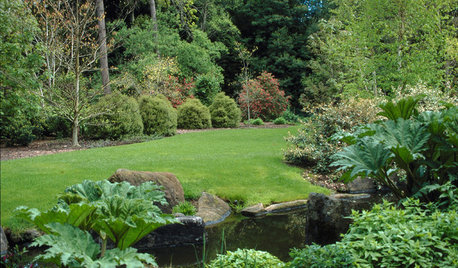
GARDENING GUIDESYou Don't Need Prairie to Help Pollinators
Woodlands, marshes, deserts — pollinators are everywhere
Full Story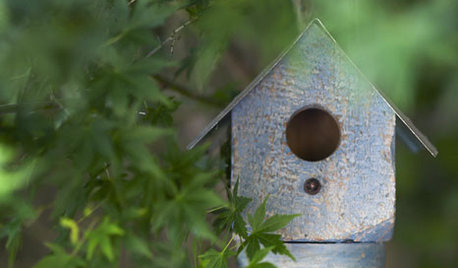
GARDENING AND LANDSCAPINGBe a Citizen Scientist to Help Wildlife, Learn and Have Fun Too
Track butterflies, study birds, capture stars ... when you aid monitoring efforts, you’re lending Mother Nature a hand
Full Story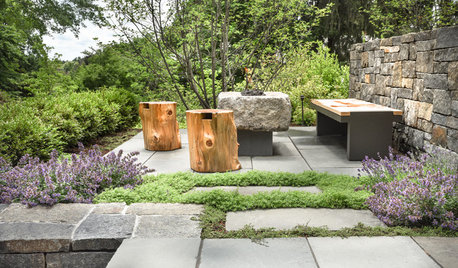
LANDSCAPE DESIGNNative Plants Help You Find Your Garden Style
Imagine the garden of your dreams designed with plants indigenous to your region
Full Story
LANDSCAPE DESIGNHow to Help Your Home Fit Into the Landscape
Use color, texture and shape to create a smooth transition from home to garden
Full Story
michaelg
carol_se_pa_6
Related Professionals
West Palm Beach Landscape Architects & Landscape Designers · Baton Rouge Landscape Architects & Landscape Designers · Waco Landscape Architects & Landscape Designers · Lima Landscape Architects & Landscape Designers · Riverside Landscape Architects & Landscape Designers · Fort Collins Landscape Architects & Landscape Designers · Rapid City Landscape Architects & Landscape Designers · Fort Worth Landscape Contractors · Albert Lea Landscape Contractors · Monroe Landscape Contractors · Reno Landscape Contractors · Plainfield Home Builders · Youngstown Home Builders · Williamsport Home Builders · Salt Lake City Home BuilderszeffyroseOriginal Author
york_rose
jerijen
york_rose
patriciae_gw
rosefolly
michaelg
york_rose
anntn6b
york_rose