

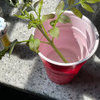
Getting mulberry tree started?
18 years ago
Sort by:Oldest
Comments (6)
Related Stories
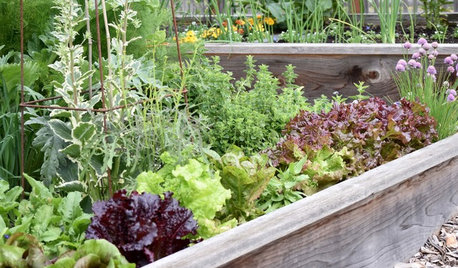
GARDENING GUIDESSeeds or Seedlings? How to Get Your Garden Started
Growing delicious herbs and vegetables starts with knowing your goals and when you want to plant
Full Story
HOUSEPLANTSHow to Grow Orchids Indoors
Orchids are the exotic aristocrats of the flower world and can make themselves comfortable in almost any home
Full Story
GARDENING GUIDESGet a Head Start on Planning Your Garden Even if It’s Snowing
Reviewing what you grew last year now will pay off when it’s time to head outside
Full Story
GARDENING GUIDES6 Steps to Get a Garden Off to a Glowing Start
Grow a lush, balanced garden from an empty patch of yard or neglected landscape spot with these easy-to-follow guidelines
Full Story
GREAT HOME PROJECTSConsidering Wallpaper? Here's How to Get Started
New project for a new year: Give your room a whole new look with the color, pattern and texture of a wall covering
Full Story
HOUSEPLANTSGet a Dash of the Rain Forest With Madagascar Dragon Tree
This living decoration reaches up to 15 feet, has minimal needs and adapts to different light levels — just steer clear of fluoride
Full Story
DECORATING GUIDESDecorating 101: How to Start a Decorating Project
Before you grab that first paint chip, figure out your needs, your decorating style and what to get rid of
Full Story
GARDENING AND LANDSCAPINGCitrus 101: Start Your Own Backyard Orchard
This Earth Day Weekend, Add Some Green, Style and Deliciousness to Your Landscape
Full Story
DESIGN PRACTICEDesign Practice: Start-up Costs for Architects and Designers
How much cash does it take to open a design company? When you use free tools and services, it’s less than you might think
Full Story
GARDENING GUIDES10 Tips to Start a Garden — Can-Do Ideas for Beginners
Green up your landscape even if you're short on time, money and knowledge, with these manageable steps for first-time gardeners
Full Story

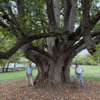
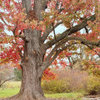
lucky_p
mee_toooOriginal Author
Related Professionals
Johnson City Landscape Architects & Landscape Designers · Temecula Landscape Architects & Landscape Designers · Panama City Landscape Contractors · Pensacola Landscape Contractors · Rolla Landscape Contractors · Greensboro Landscape Contractors · Danbury Landscape Contractors · Brainerd Landscape Contractors · Durango Landscape Contractors · Medford Landscape Contractors · Spokane Landscape Contractors · Florence Home Additions · Natchitoches Home Additions · Poughkeepsie Home Additions · Sterling Home Additionsredneck_grower
lucky_p
ken_adrian Adrian MI cold Z5
lucky_p