

kstrong knowledge please
14 years ago
Sort by:Oldest
Comments (10)
Related Stories
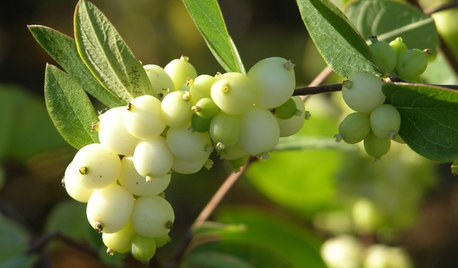
GARDENING GUIDESGreat Design Plant: Snowberry Pleases Year-Round
Bright spring foliage, pretty summer flowers, white berries in winter ... Symphoricarpos albus is a sight to behold in every season
Full Story
ARCHITECTUREDesign Workshop: Just a Sliver (of Window), Please
Set the right mood, focus a view or highlight architecture with long, narrow windows sited just so on a wall
Full Story
ARTCollect With Confidence: An Art-Buying Guide for Beginners
Don't let a lack of knowledge or limited funds keep you from the joy of owning art. This guide will put you on the collector's path
Full Story
COFFEE WITH AN ARCHITECTArchitect or Zombie?
Hunched over a drafting table through the wee hours, subsisting on coffee and esoteric knowledge ... architects may not be what you think
Full Story
DECORATING GUIDESMy Houzz: A Stylishly Industrial London Flat
Rachel Christie has used her design eye and insider knowledge to create an open and inviting home with a cool edge
Full Story
GARDENING GUIDES10 Tips to Start a Garden — Can-Do Ideas for Beginners
Green up your landscape even if you're short on time, money and knowledge, with these manageable steps for first-time gardeners
Full Story
GARDENING GUIDESWeed War: When and How to Use Chemical Herbicides
Before you spray, arm yourself with knowledge about which weed killers — natural or synthetic — are right for your yard
Full Story
HOME OFFICESWorld of Design: 11 International Architects in Their Home Offices
Thinking about relocating your office to your home? From Sydney to Copenhagen, these architects share their insider knowledge
Full Story
Sales Secrets for Interior Designers
Pro to pro: Learn 3 proven techniques to please clients and increase revenues, developed by a designer with 40 years of success
Full Story
KITCHEN DESIGNPaging All Foodies: Your Banquette Is Ready
Please follow us to these 7 gorgeous dining nooks designed for everything from haute cuisine to s'mores
Full Story


jerijen
roseseek
Related Professionals
Tuscaloosa Landscape Architects & Landscape Designers · Winona Landscape Architects & Landscape Designers · Modesto Landscape Architects & Landscape Designers · Orange County Landscape Architects & Landscape Designers · Great Bend Landscape Contractors · Fort Worth Landscape Contractors · Huntsville Home Builders · Selma Home Builders · Atlanta Home Builders · Brunswick Home Builders · Waycross Home Builders · Waco Home Builders · Rutland Home Builders · Wenatchee Home Builders · Ottawa Home BuilderssandandsunOriginal Author
kstrong
Glenburn
roseseek
mgleason56
hoovb zone 9 sunset 23
roseseek
Glenburn