

root stock question
19 years ago
Sort by:Oldest
Comments (7)
Related Stories
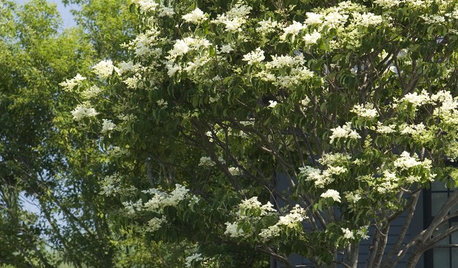
GARDENING GUIDESNo-Regret Plants: 5 Questions Smart Shoppers Ask
Quit wasting money and time at the garden center. This checklist will ensure that the plants you're eyeing will stick around in your yard
Full Story
ARCHITECTURERoots of Style: Do You Live in a Minimalist Traditional House?
Cottages, bungalows, farmhouses ... whatever you call them, houses in this style share several characteristics. See how many your house has
Full Story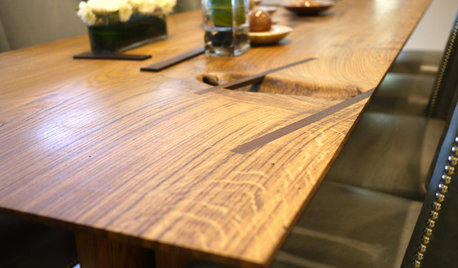
FURNITUREWood Furniture Has Root Cause
Sustainability is just the beginning with Robin Wade's lovingly made 'rustic modern' wood furnishings
Full Story
KITCHEN DESIGN9 Questions to Ask When Planning a Kitchen Pantry
Avoid blunders and get the storage space and layout you need by asking these questions before you begin
Full Story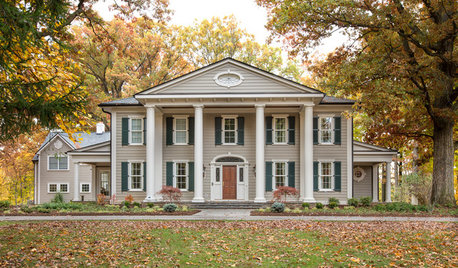
SELLING YOUR HOUSE15 Questions to Ask When Interviewing a Real Estate Agent
Here’s what you should find out before selecting an agent to sell your home
Full Story
GREEN BUILDINGConsidering Concrete Floors? 3 Green-Minded Questions to Ask
Learn what’s in your concrete and about sustainability to make a healthy choice for your home and the earth
Full Story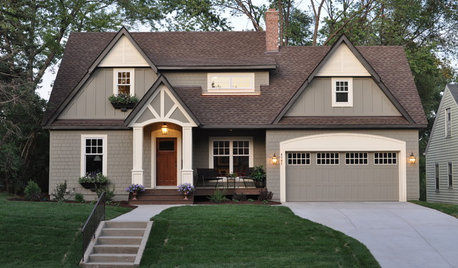
ARCHITECTURERoots of Style: Where Did Your House Get Its Look?
Explore the role of architectural fashions in current designs through 5 home styles that bridge past and present
Full Story
TRADITIONAL ARCHITECTURERoots of Style: Italianate Architecture Romances the U.S.
With its towers, cornice details and more, Italianate homes have been enchanting Americans since the 19th-century romantic era
Full Story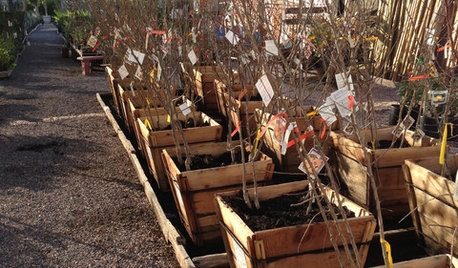
GARDENING GUIDESThe Beauty of Bare-Root Plants
Plant dormant trees and shrubs in fall using the easy, affordable bare-root method and enjoy beautiful results in spring
Full Story
ARCHITECTURERoots of Style: The Eclectic American Foursquare
The turn-of-the-20th-century style transitioned U.S. residential architecture from the Victorian era to the modern age
Full Story


harryshoe zone6 eastern Pennsylvania
anntn6b
Related Professionals
Dover Landscape Architects & Landscape Designers · Rome Landscape Architects & Landscape Designers · Worcester Landscape Architects & Landscape Designers · Calgary Landscape Architects & Landscape Designers · Vineland Landscape Contractors · Chattanooga Landscape Contractors · Dallas Landscape Contractors · Marquette Landscape Contractors · Poughkeepsie Landscape Contractors · Montgomery Home Builders · Lafayette Home Builders · Boston Home Builders · Wausau Home Builders · Bakersfield Home Builders · Seattle Home Buildersmad_gallica (z5 Eastern NY)
anntn6b
rosalitaOriginal Author
anntn6b
rosalitaOriginal Author