

help - red spots on rose canes
15 years ago
Sort by:Oldest
Comments (7)
Related Stories
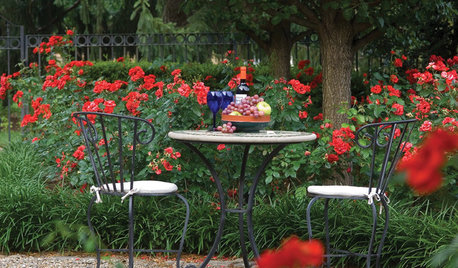
GARDENING GUIDES5 Red Roses to Stir Garden Passions
Show your devotion to color, scent and more with these regal landscape beauties
Full Story
GARDENING GUIDESGreat Design Plant: Knock Out Roses
As glorious as their high-maintenance kin for a fraction of the work, Knock Out roses make even beginners look like garden stars
Full Story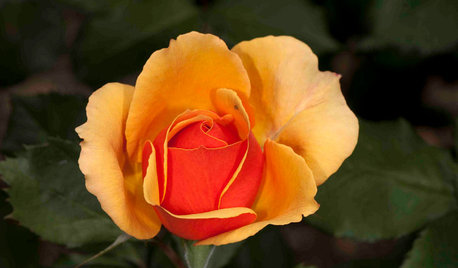
SPRING GARDENING5 Exotic Rose Colors for a Beautifully Different Garden
Give red a rest. Let these daring hues take the spotlight instead for a rose garden that turns heads
Full Story
MOST POPULAR7 Ways to Design Your Kitchen to Help You Lose Weight
In his new book, Slim by Design, eating-behavior expert Brian Wansink shows us how to get our kitchens working better
Full Story
COLORPick-a-Paint Help: How to Quit Procrastinating on Color Choice
If you're up to your ears in paint chips but no further to pinning down a hue, our new 3-part series is for you
Full Story
ORGANIZINGHelp for Whittling Down the Photo Pile
Consider these 6 points your personal pare-down assistant, making organizing your photo collection easier
Full Story
GARDENING AND LANDSCAPINGBe a Citizen Scientist to Help Wildlife, Learn and Have Fun Too
Track butterflies, study birds, capture stars ... when you aid monitoring efforts, you’re lending Mother Nature a hand
Full Story
HOUZZ TOURSMy Houzz: Saturated Colors Help a 1920s Fixer-Upper Flourish
Bright paint and cheerful patterns give this Spanish-style Los Angeles home a thriving new personality
Full Story
COLOR10 Reasons to Make a Splash With Tomato Red
You won’t duck at these tomatoes. See how bold red shades can play up architecture, light up a dark spot and add drama
Full Story
LANDSCAPE DESIGNPretty Trees for Patios, Paths and Other Tight Spots
Choose trees for their size, shape and rate of growth — or shape them to fit your space. Here's how to get started
Full Story
jerijen
meriberiOriginal Author
Related Professionals
Des Moines Landscape Architects & Landscape Designers · North Adams Landscape Architects & Landscape Designers · Williamsport Landscape Architects & Landscape Designers · Clearlake Landscape Architects & Landscape Designers · Santa Fe Landscape Architects & Landscape Designers · Charlotte Landscape Contractors · Petersburg Landscape Contractors · Cleveland Landscape Contractors · San Francisco Landscape Contractors · Kennewick Landscape Contractors · Murfreesboro Home Builders · Longview Home Builders · Rochester Home Builders · Willmar Home Builders · Trenton Home Builderscemeteryrose
michaelg
meriberiOriginal Author
jerijen
michaelg