

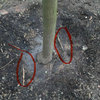
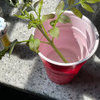
Question on princeton elm?
18 years ago
Sort by:Oldest
Comments (4)
Related Stories
5 Questions for Design Stars
Add Your Ideas for Outdoor Storage, Cheering Up a Fireplace and More
Full Story
HOUZZ TOURSHouzz Tour: Renovations Modernize a 1970s New Jersey Colonial
Better access to a great yard, an opened-up interior and family-friendly features improved this home for a Princeton family
Full Story
COFFEE WITH AN ARCHITECTA Few Things I Would Like to Ask Frank Lloyd Wright
It could take a lifetime to understand Frank Lloyd Wright's work — less if we had answers to a few simple questions
Full Story
GARDENING AND LANDSCAPINGReinvent It: Salvaged Pieces Frame a Parisian-Style Pergola
Gaslamp posts from the 1930s and upcycled fencing make for a patio structure befitting a historic potting shed in Philadelphia
Full Story
BASEMENTSBasement Becomes a Family-Friendly Lower Level
A renovation creates room for movie nights, overnight guests, crafts, Ping-Pong and more
Full Story
MODERN ARCHITECTUREPrefab Homes Expand Modern Design's Reach
A new book shows how innovative modules are giving homeowners more modern options than ever
Full Story
FALL GARDENING6 Trees You'll Fall For
Don’t put down that spade! Autumn is the perfect time for planting these trees
Full Story
HOUZZ TOURSMy Houzz: Collected Style in a Nashville Bungalow
First-time owners bring a fresh take on DIY, color and creative composition to their 2-bedroom home
Full Story
LIGHTINGGuest Picks: Exposed Bulb Lighting
Celebrate the filament bulb with 20 stylish lighting options
Full Story
alexander3_gw
xyus_quebecOriginal Author
Related Professionals
Des Moines Landscape Architects & Landscape Designers · North Adams Landscape Architects & Landscape Designers · Syracuse Landscape Architects & Landscape Designers · Redding Landscape Architects & Landscape Designers · Hot Springs Landscape Contractors · Bowling Green Landscape Contractors · Rutland Landscape Contractors · Show Low Landscape Contractors · Vancouver Landscape Contractors · Albany Home Additions · Roanoke Home Additions · Willmar Home Additions · Yuba City Home Additions · Pueblo Home Additions · North Platte Home Additionsalexander3_gw
bengz6westmd