

Mystery Tree
19 years ago
Sort by:Oldest
Comments (8)
Related Stories
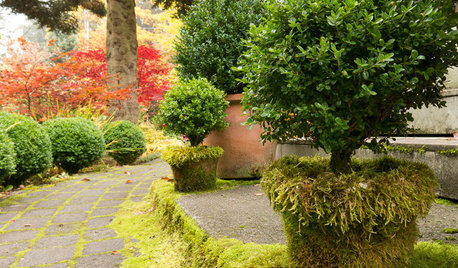
LANDSCAPE DESIGNEvoke Mystery and History With Moss in the Garden
Go ahead, lie about age. Moss on garden statues, planters and pavers creates the beautifully deceptive look of time’s passing
Full Story
LANDSCAPE DESIGNTo Make Your Garden Memorable, Add a Hint of Mystery
An element of mystique — intriguing gates, an interplay of light and shadow, hidden views — can take your garden to the next level
Full Story
LANDSCAPE DESIGNGet the Mystery of a Gothic Garden for Yourself
Create an enchanting and tranquil scene with the stonework and wayward plantings of Gothic garden design
Full Story
DECORATING GUIDESDesign Mystery: Why Do Pineapples Sprout Up in Home Design?
Early Americans were bananas about pineapples — and we’re still reaping the benefits of the sweet fruit’s symbolism today
Full Story
PATHSCreate Garden Mystery With a Zigzag Path
Foster intrigue by setting garden paths at angles ‘yatsuhashi’-style
Full Story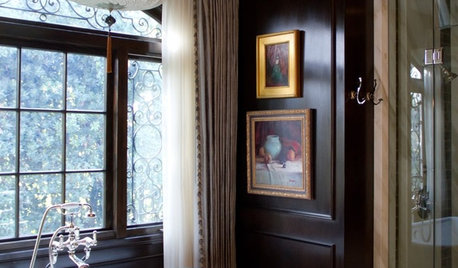
COLORUnravel the Mystery of Black
Venture into the shadowy world of this controversial hue; learning black's history and uses might just put it in a different light
Full Story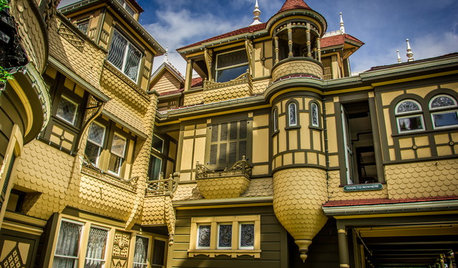
HOUZZ TV FAVORITESHouzz TV: Beyond the Ghost Stories of the Winchester Mystery House
Supernatural tales swirl around this perplexing Victorian mansion, but early home tech is the real marvel. See it for yourself
Full Story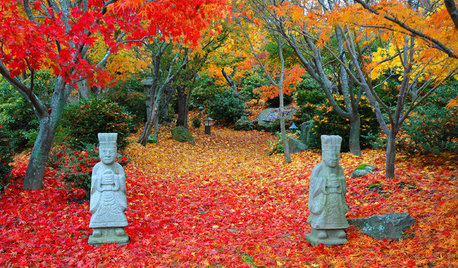
FALL GARDENING11 Trees for Brilliant Fall Color
Give your landscape the quintessential look of autumn with the red, orange and yellow leaves of these standouts
Full Story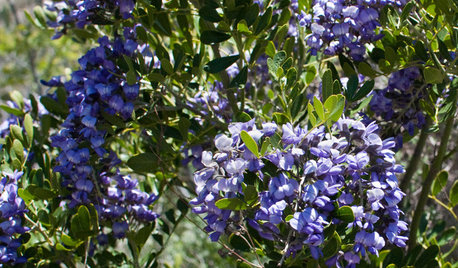
TREES6 Unsung Spring-Blooming Trees
Billowy blooms and rare fragrances will make you wonder how these flowering trees could ever have been underused in landscapes
Full Story
TREE HOUSESTour a Fantastical Tree House for Kids and Adults Too
For an architect and a master woodworker, a magical tree house answers the question, ‘What would you do if you could do anything?’
Full Story

treeguy123
kim_dirtdiggerOriginal Author
Related Professionals
Sarasota Landscape Architects & Landscape Designers · Portsmouth Landscape Architects & Landscape Designers · Danville Landscape Architects & Landscape Designers · Auburn Landscape Architects & Landscape Designers · Taunton Landscape Architects & Landscape Designers · Saginaw Landscape Architects & Landscape Designers · Enid Landscape Contractors · Amherst Landscape Contractors · Youngstown Landscape Contractors · Kissimmee Home Additions · Owensboro Home Additions · Taunton Home Additions · Trenton Home Additions · Poughkeepsie Home Additions · Roswell Home Additionsfatamorgana2121
greenlarry
Fledgeling_
ken_adrian Adrian MI cold Z5
Fledgeling_
Fledgeling_