Software
Houzz Logo Print
marysy_gw

amaryllis advice needed

19 years ago

2 years ago I received an amaryllis bulb, (with pot and all) for x-mas. It bloomed just beautifully, and I did what I thought I was supposed to do. I cut the flower stalk back and put it in the basement to go dormant, so that it would bloom again this past december. In the fall I took it back out and repotted it and it never bloomed. So, I stuck the whole thing outdoors on the deck in the spring. Well, it started to bloom in July, so I brought it back inside and it just finished some very lovely flowers. Now, I don't want to try forcing it again, just let it bloom when it wants, so should I just cut the flower stalk off, and the leaves that are drooping. I need to repot as the bulb is huge, but should I put it back outdoors for the remainder of the summer, leave it in or what?

Comments (11)

  • 19 years ago

    Put it back outdoors. Don't cut off anything. Only cut the scape when it dries down. It needs to feed on water, air, light for the remainder of the good weather. When your temperature (mostly night) goes below 40F, you bring it in again, and put it in the dark. I don't know your area, but I guess the cold will come around october, right? Then you bring it in, put it in the forementioned dark place and stop watering. It will dry out. After about 6 weeks, you can bring it in your warm living room and start watering again give it enough light. It might start bringing scape already and bring the new leaves.
    So forcing is fine, but you need the bulb to feed between flowerings.
    The mistake you made was that you did not let the bulb recover from the first bloom, so that is why it did not flower for you following season. When you planted it out, it could gather the energy to bloom for you in its natural cycle.
    So you either follow the instructions above about forcing, or you can just simply bring it in when the cold weather comes and keep on watering and keepig it in light. It might stay evergreen for you or decide to go dormant anyway. You never know. The main point is. You don't have to force it to go dormant. You can keep it green forever with a little luck, if you have a bulb that likes to stay green year round, like the cybister varieties.
    I think you should repot in a bigger container, just make sure that you don't cut off the roots. Some plant food wouldn't hurt either. Maybe you will get another bloom this winter if you tend it now.
    Good luck.
    I hope I was clear. I have not much time, so I just speed-typed it.

  • 19 years ago

    Thank you. I will repot and put it back outdoors.

  • 19 years ago

    Mary, it appears we're both located in the same gardening zone...

    I treat my amaryllis' as houseplants, and allow them to bloom when they want. Mine typically bloom in February. The rest of the year, they just grow green leaves. Some leaves die, and as they turn brown, I cut them off. I water ONLY when needed and feed them accordingly.

    I haven't planted mine outside in the garden, but that can be done as long as you dig them and bring them in before cold weather hits. I hear they like the outdoors a lot!

    My point is... you don't have to force them if you don't choose to. Mine have been growing and flowering wonderfully, one of them for about 7 years, as houseplants in my east window!

    Good luck with yours!

  • 19 years ago

    Yes. They like outdoors a lot. Even in a scorcing area like Southern California... If they get enough moisture for the roots, they seem to be really happy. I always thought that my area was too hot for bulbous plants like amaryllis, tulips and others, but as it turns out, they are actually hardy here. I see a lot of amaryllis blooming in the Spring that were left out all year long.

  • 19 years ago

    Some do seem to be green all year long for sure. I have some that are that way; they never seem to go gold or brown! The first time I had them I did not know quite what to do as I kept waiting for them to go like daffodils, and go brown and shrivelly in the leaves. Now I realise that they do not all necessarily do that. I feed mine a couple of times during the season and then let them go dormant when the temperature drops. It seems to take longer each year though with all the warmth the world is experiencing. Then I bring them inside to do the holiday thing. They do make nice houseplants, too.

  • 19 years ago

    All the cybisters and Papillio are supposedly evergreen.

  • 19 years ago

    My Minerva seems to think she should be evergreen, too! As seen in photos in another post, she is in full greenery right now, and has been since she bloomed last. I'm hoping it means she's collecting an extra lot of energy to throw out double the scapes next bloom!

  • 19 years ago

    Amaryllises growing in colder areas maybe Zone 6/7 and lower experience a totally different climate than warmer areas like Zone 15.(??? Hmmmm....) As the temp. falls below 50s, this can trigger the amaryllis to rest. This could mean to a slowing down of growth or totally no growth. When the bulbs rest, they do not need food. No need for leaves. Leaf fluids go back to bulb to be stored. They dry out and turn brown.

  • 19 years ago

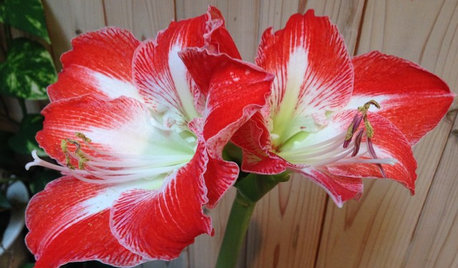
    I've been searching the articles on amaryllis to see if someone has discussed a situation similar as mine. Nothing found. I have an outdoor bed in partial sun of amaryllis that needs to be thinned and some bulbs relocated. These amaryllis stay outside all year long and have a beautiful red and white bloom. When is a good time for me to dig and relocate these bulbs? Can they tolerate full sun?

  • 19 years ago

    As I look at my flower bed in California Schorcing sun, they can tolerate full sun pretty well. They grow really strong and thick leaves. I would dig and relocate the bulbs when colder temperatures come. For your comfort, probably between 10-15F. Or if they lose their leaves.

  • 19 years ago

    Yes, grizz, they can indeed tolerate full sun, but can also tolerate a bit of shade in hot, hot summers. They need to be put in about the time you would put in any bulb, while dormant and before it gets to cold; so that they can get established. They tend to do best outside in zones 9 and 10 generally speaking, so I would think that in zone 7 you might want to be sure to have them in full sun. I am in zone 9 technically (in most ratings) but zone 15 according to Sunset Magazine. There are people who have them here outside with no problems. We do not get much rainfall at certain times, either. You could always try one or two to see how they perform and whether they are happy in your garden. If not, you have not lost much; and if so, you could put in as many as you wish!