

Can you help ID this moth?
16 years ago
Sort by:Oldest
Comments (6)
Related Stories
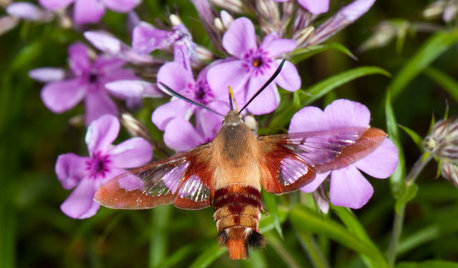
GARDENING GUIDESHummingbird or Moth? See Why You Want Clearwings Around
These fascinating moths may be helpful pollinators for your garden. Here’s how to coax them your way
Full Story
MOST POPULAR9 Real Ways You Can Help After a House Fire
Suggestions from someone who lost her home to fire — and experienced the staggering generosity of community
Full Story
STUDIOS AND WORKSHOPSYour Space Can Help You Get Down to Work. Here's How
Feed your creativity and reduce distractions with the right work surfaces, the right chair, and a good balance of sights and sounds
Full Story
HOUSEPLANTSOrchids 101: How to Keep Your Moth Orchids Alive and Blooming
Growing Phalaenopsis — and getting it to flower again — is easier than you might think
Full Story
GARDENING GUIDESGreat Design Plant: Common Boneset Helps Good Bugs Thrive
Support bees, moths and butterflies with the nectar of this low-maintenance, versatile and tactile prairie-style plant
Full Story
GARDENING GUIDESYou Don't Need Prairie to Help Pollinators
Woodlands, marshes, deserts — pollinators are everywhere
Full Story
FLOWERS AND PLANTSHelp Monarchs and Other Butterflies by Planting Common Milkweed
Summer-blooming Asclepias syriaca is an important larval host plant for the monarch butterfly and attracts a number of pollinating insects
Full Story
GARDENING AND LANDSCAPINGBe a Citizen Scientist to Help Wildlife, Learn and Have Fun Too
Track butterflies, study birds, capture stars ... when you aid monitoring efforts, you’re lending Mother Nature a hand
Full Story
REMODELING GUIDES8 Tips to Help You Live in Harmony With Your Neighbors
Privacy and space can be hard to find in urban areas, but these ideas can make a difference
Full Story
STAIRWAYSHelp Your Stair Landing Take Off
Whether for storage, art, plants or whatever else strikes your fancy, your stair landing can serve your home in a thoughtful way
Full Story
Sponsored
Cindy_C
larry_gene
Related Professionals
Sebring Landscape Architects & Landscape Designers · West Palm Beach Landscape Architects & Landscape Designers · Baton Rouge Landscape Architects & Landscape Designers · Petersburg Landscape Architects & Landscape Designers · Rutland Landscape Architects & Landscape Designers · Santa Maria Landscape Architects & Landscape Designers · Waycross Landscape Contractors · Toms River Landscape Contractors · Elgin Landscape Contractors · Amarillo Landscape Contractors · Selma Home Builders · Anniston Home Builders · Stockton Home Builders · Santa Fe Home Builders · Carson City Home BuildersanneyOriginal Author
larry_gene
anneyOriginal Author
larry_gene