

screening trees for windy areas
20 years ago
Sort by:Oldest
Comments (6)
Related Stories
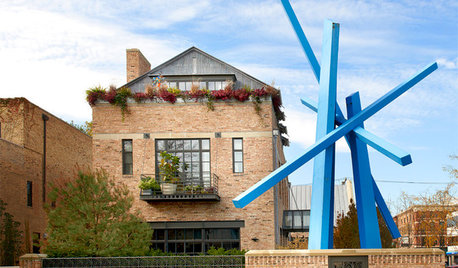
ECLECTIC HOMESHouzz Tour: Wild Ideas in the Windy City
When bold art meets great architecture and interior design, something wonderful happens
Full Story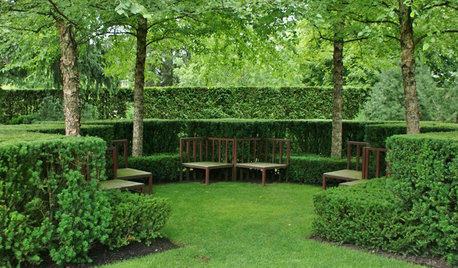
GARDENING GUIDESGrow Your Own Privacy: How to Screen With Plants and Trees
Use living walls to lower your home and garden's exposure while boosting natural beauty in your landscape
Full Story
HOUZZ TOURSMy Houzz: Global Art Inspires a Windy City Home
Empty nesters leave the suburbs and curate their dream city condo in the heart of Chicago's Gold Coast neighborhood
Full Story
SIDE YARD IDEASNarrow Trees for Tight Garden Spaces
Boost interest in a side yard or another space-challenged area with the fragrance and color of these columnar trees
Full Story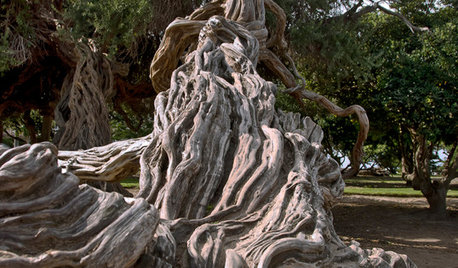
GARDENING GUIDESGreat Design Tree: Australian Tea Tree
A living sculpture with an unmistakable appearance, this coastal native creates an intriguing landscape scene
Full Story
GARDENING GUIDES5 Best-Behaved Trees to Grace a Patio
Big enough for shade but small enough for easy care, these amiable trees mind their manners in a modest outdoor space
Full Story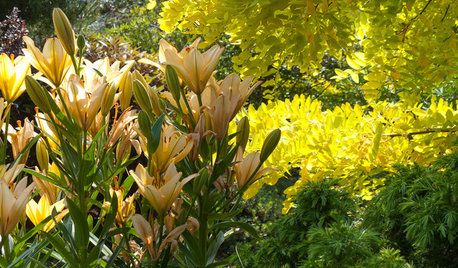
GARDENING GUIDESGreat Garden Combo: 3 Wonderful Plants for a Deer-Resistant Screen
Protect your privacy and keep deer at bay with a planting trio that turns a problem garden area into a highlight
Full Story
GARDENING AND LANDSCAPINGHow to Screen a Seaside Garden From the Wind
Lucky enough to live by the coast? Here’s how to protect your garden and deck from the harsh sea breezes
Full Story
GARDENING AND LANDSCAPINGGrow a Lush Privacy Screen
No need to wait forever for patio privacy the green way. These 10 ideas will get your screening up and running in no time
Full Story
LANDSCAPE DESIGN8 Reasons to Plant a Great Tree
Beauty is its own reward, but the benefits of planting the right tree in the right place go way beyond looks
Full Story
gardenguru1950
wanda
Related Professionals
Newburyport Landscape Architects & Landscape Designers · Winona Landscape Architects & Landscape Designers · Annapolis Landscape Contractors · Des Moines Landscape Contractors · Keene Landscape Contractors · Newark Landscape Contractors · Middletown Landscape Contractors · Bend Landscape Contractors · Medford Landscape Contractors · Baton Rouge Architects & Building Designers · Elkton Architects & Building Designers · Meridian Architects & Building Designers · Edison Architects & Building Designers · Olean Architects & Building Designers · Sheridan Architects & Building Designerscalistoga_al ca 15 usda 9
rogerv_gwOriginal Author
rogerv_gwOriginal Author
msteffes1_comcast_net