

Wild Indigo Duskywings
16 years ago
Sort by:Oldest
Comments (7)
Related Stories
GARDENING FOR BIRDSWild Birds Transform a Woman’s Garden and Life
How Sharon Sorenson created a wildlife haven and became the Bird Lady of Southern Indiana
Full Story
FLOWERS AND PLANTSPlant Baptisia Bracteata for Blooms Pollinators Will Love
Longbract wild indigo is great in dry soil, and its spring flowers attract butterflies and bumblebees
Full Story
GARDENING GUIDESGreat Design Plant: Please Bumblebees by Planting Baptisia Lactea
Plant wild white indigo in central and southeastern U.S. gardens for its large white flower heads and early-spring interest
Full Story
DECORATING GUIDESSo Your Style Is: Colorful
Somewhere over the rainbow are rooms as vivid and unique as you are. Here's how to make the colorful look work like a charm
Full Story
GARDENING GUIDES10 Deer-Resistant Native Flowers to Plant This Fall
Learn about natives that embrace some kinds of wildlife but resist grazing deer
Full Story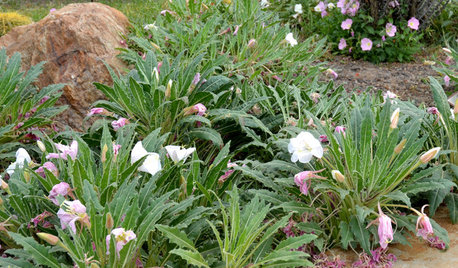
GARDENING GUIDES10 Cold- and Heat-Tolerant Perennials and Shrubs for the Arid West
These flowering native plants shrug off the cold of winter and heat of summer while adding beauty to the drought-tolerant landscape
Full Story
DECORATING GUIDESWallpaper for Dark and Dreamy Bedrooms
Give your bedroom the look of total luxe with dark, shimmering color and texture on the wall
Full Story
GARDENING GUIDES6 Plants That Beat Butterfly Bush for the Wildlife Draw
It's invasive, a nonnative and a poor insect magnet. Check out these better alternatives to butterfly bush in the garden
Full Story
GARDENING GUIDESHow to Stop Worrying and Start Loving Clay Soil
Clay has many more benefits than you might imagine
Full Story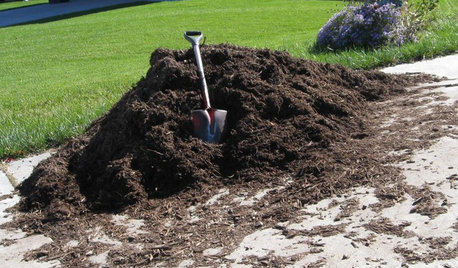
FRONT YARD IDEASBefore and After: Front Lawn to Prairie Garden
How they did it: Homeowners create a plan, stick to it and keep the neighbors (and wildlife) in mind
Full Story
Sponsored
jrcagle
caterwallin
Related Professionals
New Orleans Landscape Architects & Landscape Designers · Beaumont Landscape Architects & Landscape Designers · Williamsport Landscape Architects & Landscape Designers · Madison Landscape Architects & Landscape Designers · Cumberland Landscape Contractors · Webster Landscape Contractors · Olympia Landscape Contractors · Charlotte Home Builders · Anniston Home Builders · Saginaw Home Builders · Janesville Home Builders · Sierra Vista Home Builders · Santa Maria Home Builders · Temecula Home Builders · Ogden Home Buildersjrcagle
bob_71Original Author
jrcagle
bananasinohio
caterwallin