

Water conservation/saving techniques
17 years ago
Sort by:Oldest
Comments (8)
Related Stories
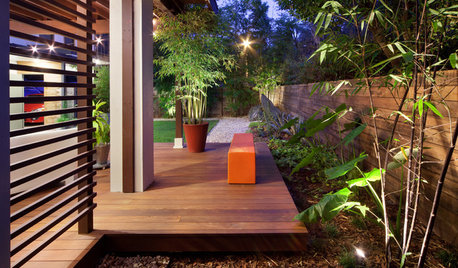
LIFEThe Top 5 Ways to Save Water at Home
Get on the fast track to preserving a valuable resource and saving money too with these smart, effective strategies
Full Story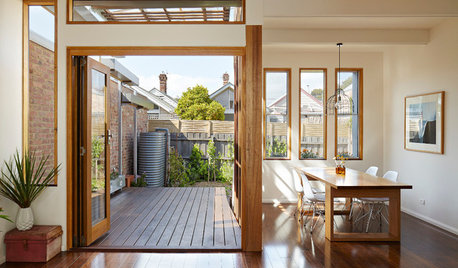
SAVING WATER11 Ways to Save Water at Home
Whether you live in a drought-stricken area or just want to help preserve a precious resource, here are things you can do to use less water
Full Story
LANDSCAPE DESIGNGet Along With Less Lawn — Ideas to Save Water and Effort
Ditch the mower and lower your water bill while creating a feast for the eyes with diverse plantings and gathering places
Full Story
SAVING WATERXeriscape Gardens: How to Get a Beautiful Landscape With Less Water
Conserve water and make gardening much easier with the xeriscape approach’s 7 principles
Full Story
GREEN BUILDINGOff the Grid: Siting and Building to Conserve Energy
Look to low-tech solutions for big energy savings when you’re constructing a home
Full Story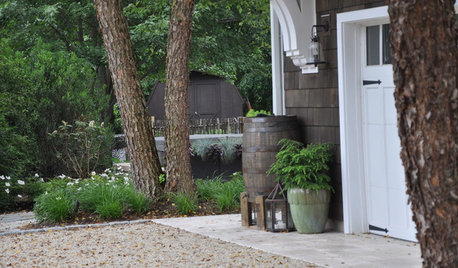
SAVING WATER6 Reasons Why You Should Save Your Rainwater Now
Collect and store during the rainy season so you’ll have water ready for irrigation when you need it
Full Story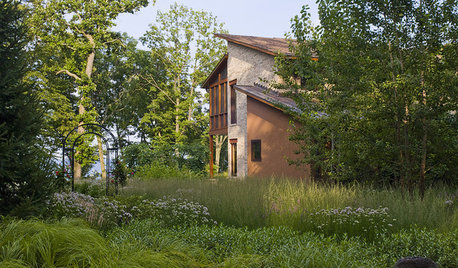
GARDENING GUIDES8 Unthirsty Plants Help You Save Water in Style
Spend less effort and money on your landscape with drought-tolerant and native plants that liven up your yard
Full Story
GREEN BUILDINGWater Sense for Big Savings
Keep dollars in your pocket and preserve a precious resource with these easy DIY strategies
Full Story
LANDSCAPE DESIGNHow to Move Water Through Your Landscape
Swales, underground pipes or a mix of both: There’s more than one way to distribute water in the garden
Full Story
LANDSCAPE DESIGNHave Your Garden Fountain and Be Water Wise Too
Learn which water features are more suited to conservation, and get strategies for placement and use
Full Story
kelpmermaid
gobluedjm 9/18 CA
Related Professionals
Athens Landscape Architects & Landscape Designers · Chambersburg Landscape Architects & Landscape Designers · Lafayette Landscape Architects & Landscape Designers · Lebanon Landscape Architects & Landscape Designers · Greenville Landscape Contractors · Portsmouth Landscape Contractors · Marquette Landscape Contractors · Fargo Landscape Contractors · Salem Landscape Contractors · San Antonio Architects & Building Designers · Spring Architects & Building Designers · Kalamazoo Architects & Building Designers · Sault Ste. Marie Architects & Building Designers · Minneapolis Architects & Building Designers · Middletown Architects & Building Designershoovb zone 9 sunset 23
User
xanthoria
caavonldy
User
angelcub