

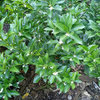
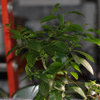
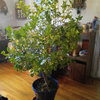
key lime tree leaves/communication
17 years ago
Sort by:Oldest
Comments (6)
Related Stories
FALL GARDENING5 Ways to Put Fall Leaves to Work in Your Garden
Improve your soil and yard the organic way with a valuable garden booster that grows on trees
Full Story
GARDENING GUIDESGreat Garden Combo: 6 Beautiful Plants for a Shady, Wet Site
Transform a shade garden with moisture-loving golden grasses, textural leaves and a sprinkling of flowers
Full Story
HOUZZ TOURSMy Houzz: Quirky, Colorful Vancouver Heritage Home
Wallpapered stair risers, a striped lime-green ceiling and creative artwork are just the beginning in this designer's 1910 home in Canada
Full Story
REMODELING GUIDES10 Things to Ask Your Contractor Before You Start Your Project
Ask these questions before signing with a contractor for better communication and fewer surprises
Full Story
MOST POPULAR20 Ideas for Easygoing Summer Parties
Ditch the fancy and fussy in favor of laid-back entertaining that leaves you more time to enjoy the fun
Full Story
GRASSESHow to Rock a Lawn
Weekend Project: The key to healthy grass begins with the soil. If turf works for you, here’s how to fix it and keep it looking its best
Full Story
GARDENING AND LANDSCAPINGHow to Pick a Nice Wall for Your Garden Room
Made by hand, prefab or growing from the ground, garden walls are key landscaping elements. Here's what to think about for your yard
Full Story
SELLING YOUR HOUSESell Your Home Fast: 21 Staging Tips
Successful staging is key to selling your home quickly and at the best price. From cleaning to styling, these tips can help
Full Story
GARDENING GUIDESGreat Design Plant: Kumquats for a Juiced-Up Winter
Grow it for the edible fruit or its good looks alone. This citrus cousin will brighten any gray winter day
Full Story
aesir22
txcactusOriginal Author
Related Professionals
Baltimore Landscape Architects & Landscape Designers · Cambridge Landscape Architects & Landscape Designers · Winona Landscape Architects & Landscape Designers · Nashua Landscape Architects & Landscape Designers · Santa Fe Landscape Architects & Landscape Designers · Florence Landscape Contractors · Bloomington Landscape Contractors · San Antonio Landscape Contractors · Grand Rapids Landscape Contractors · Fort Myers Home Builders · Atlantic City Home Builders · Florence Home Builders · Auburn Home Builders · Eugene Home Builders · Logan Home BuildersUser
tapla (mid-Michigan, USDA z5b-6a)
txcactusOriginal Author
tapla (mid-Michigan, USDA z5b-6a)