

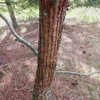
Tasmanian cedar...
15 years ago
Sort by:Oldest
Comments (9)

Related Stories
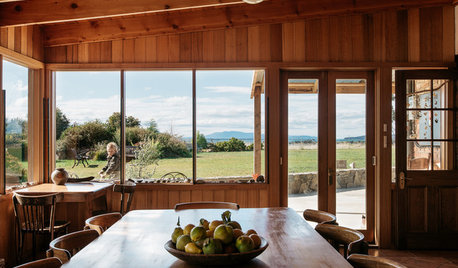
HOMES AROUND THE WORLDThe Great Escape: Family Rebuilds After a Devastating Wildfire
Tim and Tammy Holmes survived the 2013 Tasmanian bushfires but lost their home. See how they’ve started over
Full Story
COLORBenjamin Moore Floats Breath of Fresh Air as Its Color of 2014
Touted as a new neutral, this baby blue can stand on its own or support bolder colors. Here's how to use it
Full Story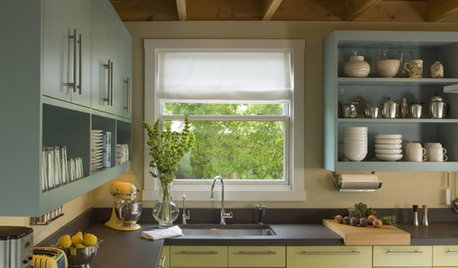
MOST POPULAR8 Great Kitchen Cabinet Color Palettes
Make your kitchen uniquely yours with painted cabinetry. Here's how (and what) to paint them
Full Story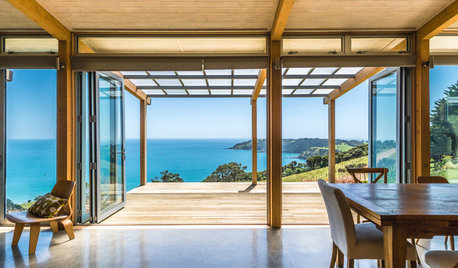
VACATION HOMESWe Can Dream: Maori-Inspired Island Home With Views of Land and Sea
This family vacation house near Auckland, New Zealand, is designed to blend in with its surroundings
Full Story
CONTEMPORARY HOMESHouzz Tour: A Sun-Soaked Solution for a Narrow Site
A high wall on one side and a sliver of land on the other allow ample space for a couple building their first home
Full Story
HOUZZ TOURSWorld of Design: 9 Energy-Smart Australian Homes
With their innovative features and diverse surroundings, these 9 award-winning homes have struck gold on the Aussie design stage
Full Story
HOMES AROUND THE WORLDHouzz Tour: Simplicity and Style in a New Zealand Beach House
A welcoming, modern year-round home that fits in with the community suits a surfing family
Full Story
blue_yew
Embothrium
Related Professionals
Hopkinsville Landscape Architects & Landscape Designers · Fort Dodge Landscape Architects & Landscape Designers · Muncie Landscape Architects & Landscape Designers · Cape Coral Landscape Contractors · Houma Landscape Contractors · Morgan City Landscape Contractors · Columbus Landscape Contractors · Pueblo Landscape Contractors · Sterling Landscape Contractors · Vincennes Home Builders · Asheville Home Builders · Hilton Head Island Home Builders · Marquette Home Builders · Victorville Home Builders · Carlsbad Home Buildersgardengal48 (PNW Z8/9)Original Author
tasmanii
gardengal48 (PNW Z8/9)Original Author
Embothrium
ian_wa
greenlarry
cryptomeria