

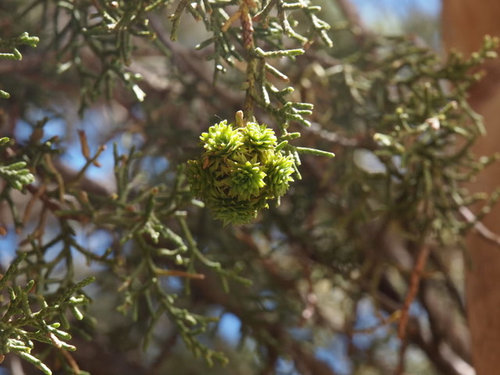
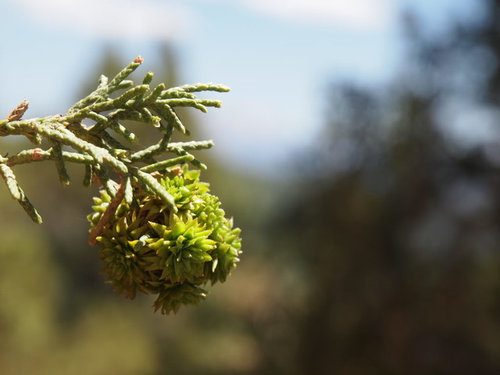
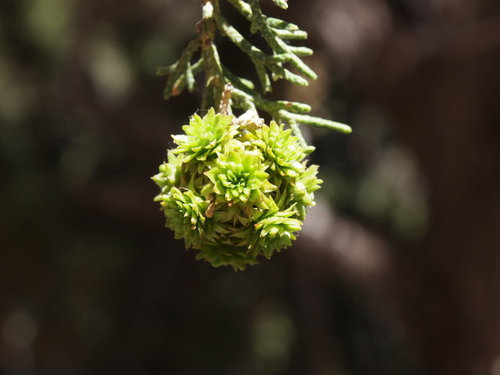
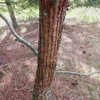
what is this?
14 years ago
Sort by:Oldest
Comments (14)
Related Stories
KITCHEN OF THE WEEKKitchen of the Week: What’s Old Is New Again in Texas
A fresh update brings back a 1920s kitchen’s original cottage style
Full Story
REMODELING GUIDESWhat’s on Your Design Wish List This Year?
Use winter days to begin planning your 2016 projects. Here’s a bit of inspiration to get you started
Full Story
ARCHITECTURERoom of the Day: Home Is Where This Hearth Is
A wood structure sans fire anchors a Texas home’s center and creates connections
Full Story
MUDROOMSRoom of the Day: This Mudroom Is Just Plain Hot
Wait till you see what’s behind the hooks and bins in this genius family drop zone
Full Story
FURNITUREDesign Talk: What is a Settee?
See This Elegant Seating Solution in Dining Room, Office, Entry and Bedroom
Full Story
MOST POPULARDecorating 101: How Much Is This Going to Cost Me?
Learn what you might spend on DIY decorating, plus where it’s good to splurge or scrimp
Full Story
KITCHEN DESIGNHouzz Quiz: What Kitchen Countertop Is Right For You?
The options for kitchen countertops can seem endless. Take our quiz to help you narrow down your selection
Full Story
GARDENING GUIDESFall Is Calling: What to Do in Your October Garden
Get a jump on winter prep or just sit back and watch the leaves fall. The beauty of an autumn garden is in all the choices you have
Full Story
ARCHITECTUREWhat the Heck Is 'Good' Design Anyway?
We yearn for it and strive for it, but good home design isn't always easy to grasp. These 8 prescriptions from an architect can help
Full Story
THE ART OF ARCHITECTUREWhat Is Organic Architecture, Anyway?
Practitioners of organic architecture seek to connect houses more closely with their natural surroundings. Here's how they do it
Full Story
jimbobfeeny
kbguess
Related Professionals
Annapolis Landscape Architects & Landscape Designers · Beaumont Landscape Architects & Landscape Designers · Green Bay Landscape Architects & Landscape Designers · Pullman Landscape Architects & Landscape Designers · Cowansville Landscape Architects & Landscape Designers · Rock Hill Landscape Contractors · Spartanburg Landscape Contractors · Winona Landscape Contractors · Youngstown Landscape Contractors · Pullman Landscape Contractors · Terre Haute Home Builders · Natchitoches Home Builders · San Antonio Home Builders · Laconia Home Builders · Sacramento Home Builderstreebarb Z5 Denver
sluiceOriginal Author
greenhaven
ishcountrygal
ishcountrygal
sluiceOriginal Author
sluiceOriginal Author
greenhaven
sluiceOriginal Author
ishcountrygal
pineresin
Colin Purrington