

Indoor Ficus
16 years ago
Sort by:Oldest
Comments (3)
Related Stories
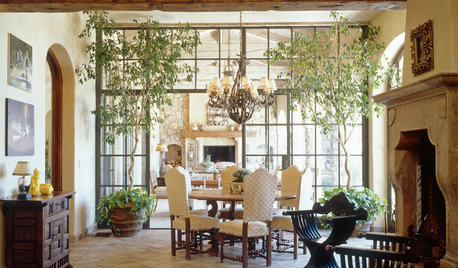
Rooting for Indoor Trees
Houseplants tend to get all the glory indoors, but trees deserve their place in the sun — and in your living room, your entryway, your ...
Full Story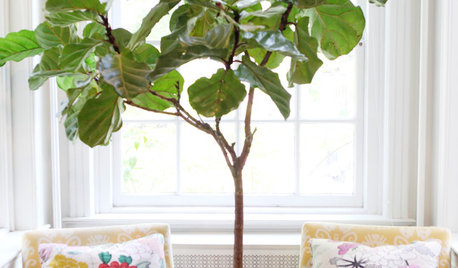
HOUSEPLANTSPlay Up Some Fiddleleaf Figs for a Lively Indoor Tune
Strike a dramatic chord in a minimalist scene or a country note in a rustic setting — fiddleleaf fig plants harmonize with any style
Full Story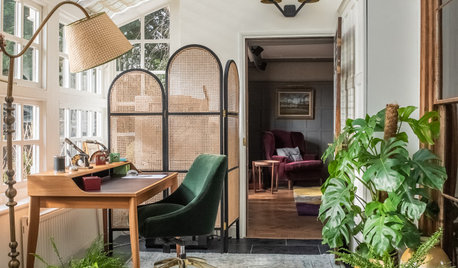
HOUSEPLANTSSimple Pleasures: Grow a Cheery Indoor Garden
Let houseplants work their magic on your rooms and you. These ideas will get you growing
Full Story
HOUSEPLANTS8 Essentials for Healthy Indoor Plants
Houseplants add so much to our homes — and can thrive when grown in the right conditions. Keep these tips in mind
Full Story
HOUSEPLANTS10 Top Plants to Grow Indoors
Brighten a room and clean the air with a houseplant that cascades artfully, stretches toward the ceiling or looks great on a wall
Full Story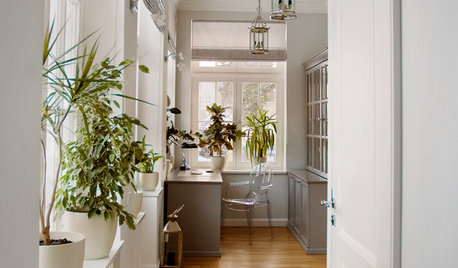
HOUSEPLANTSHow to Create an Indoor Landscape
Apply principles and elements of design to help your indoor garden flourish
Full Story
URBAN GARDENSRoom of the Day: An Indoor-Outdoor Space for Any Occasion
A patio combining a covered kitchen with an exposed entertaining area is the perfect setting for life in Sydney
Full Story
HOUSEPLANTSSee How Fiddleleaf Fig Trees Can Liven Up Your Decor
The tropical houseplant with big green leaves adds a cheerful and striking design element to rooms
Full Story
GARDENING AND LANDSCAPINGLay of the Landscape: Tropical Garden Style
Create a vacation paradise in your backyard even if temperatures sometimes dip with these guidelines for tropical-style gardens
Full Story
PETSIncredible Home Catwalks Make for Purr-fectly Happy Felines
Walkways and tunnels custom built to the tune of about $35,000 keep a homeowner’s 18 cats on cloud nine
Full Story
tapla (mid-Michigan, USDA z5b-6a)
bobd_2009Original Author
Related Professionals
Fayetteville Landscape Architects & Landscape Designers · Nashua Landscape Architects & Landscape Designers · Hilton Head Island Landscape Contractors · Bangor Landscape Contractors · Middletown Landscape Contractors · Plattsburgh Landscape Contractors · Scranton Landscape Contractors · Oshkosh Landscape Contractors · Victoria Landscape Contractors · Terre Haute Kitchen Remodelers · Oneonta Kitchen Remodelers · Potsdam Kitchen Remodelers · Madison Kitchen Remodelers · Murrieta Kitchen Remodelers · Santa Fe Kitchen Remodelerstapla (mid-Michigan, USDA z5b-6a)