

DNA Matching Service???
18 years ago
Sort by:Oldest
Comments (13)
Related Stories
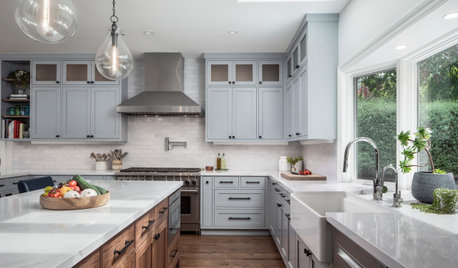
WORKING WITH PROSHow to Find Your Renovation Team
Take the first steps toward making your remodeling dreams a reality with this guide
Full Story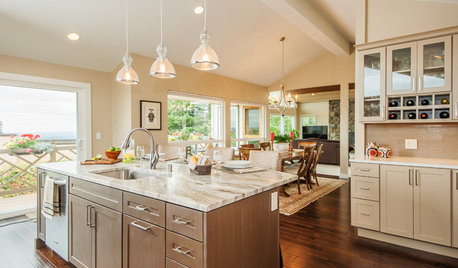
WORKING WITH PROSInside Houzz: An Interior Design Match Made Right Here
See a redesign that started on Houzz — and learn how to find your own designer, architect or other home pro on the site
Full Story
DECORATING GUIDESWorking With Pros: When to Choose Full Design Services
Whether you want a single room or a whole house done, the maximum service level means the least work for you
Full Story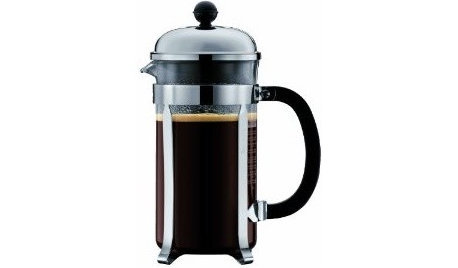
PRODUCT PICKSGuest Picks: Coffee Service
Upgrade your morning ritual with accessories to help make the perfect brew
Full Story
CURB APPEALHouzz Call: Show Us Your Mailbox!
Celebrate the U.S. Postal Service’s 240th birthday by uploading photos of your fabulous mailbox
Full Story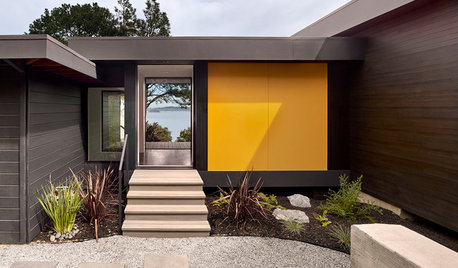
BUDGETING YOUR PROJECTConstruction Contracts: What to Know About Estimates vs. Bids
Understanding how contractors bill for services can help you keep costs down and your project on track
Full Story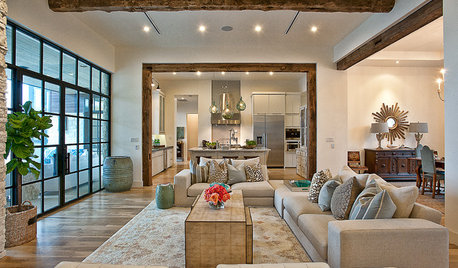
WORKING WITH PROSHow to Hire the Right Architect
Your perfect match is out there. Here’s how to find good candidates — and what to ask at that first interview
Full Story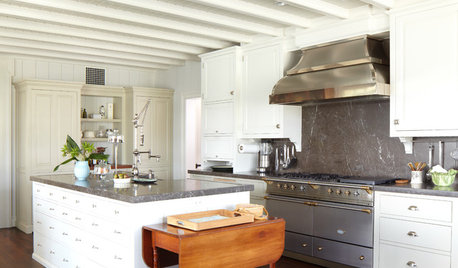
KITCHEN DESIGNHow to Find the Right Range for Your Kitchen
Range style is mostly a matter of personal taste. This full course of possibilities can help you find the right appliance to match yours
Full Story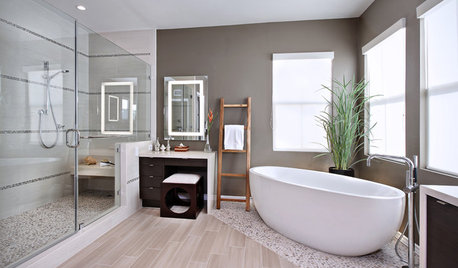
WORKING WITH PROSGo Beyond the Basics When Interviewing Architects
Before you invest all that money and time, make sure you and your architect are well matched beyond the obvious levels
Full Story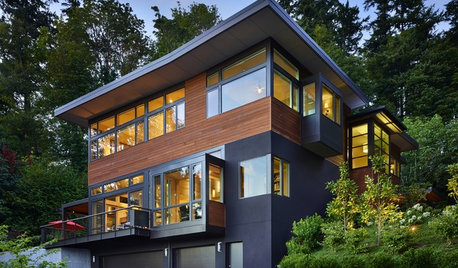
REMODELING GUIDES6 Steps to Planning a Successful Building Project
Put in time on the front end to ensure that your home will match your vision in the end
Full Story
Sponsored
pitangadiego
oxankleOriginal Author
Related Professionals
Gaithersburg Landscape Architects & Landscape Designers · Cookeville Landscape Architects & Landscape Designers · Longview Landscape Architects & Landscape Designers · Fort Wayne Landscape Architects & Landscape Designers · Mankato Landscape Architects & Landscape Designers · Ithaca Landscape Architects & Landscape Designers · Eau Claire Landscape Architects & Landscape Designers · Oxnard Landscape Architects & Landscape Designers · Evanston Landscape Architects & Landscape Designers · Quincy Landscape Contractors · Newport News Landscape Contractors · Willmar Landscape Contractors · Middletown Landscape Contractors · Muskogee Kitchen Remodelers · Oneonta Kitchen Remodelerssteve_nj8
pitangadiego
steve_nj8
oxankleOriginal Author
steve_nj8
dieseler
dieseler
dieseler
steve_nj8
scott_ga
scott_ga