Software
Houzz Logo Print
esh_ga

THAT'S a native plant?

19 years ago
As many of you know, I am a huge native plant fan and try to introduce them to anyone I meet (much to my family's dismay). I love it when I show someone something that is showy enough to generate the comment "That's native? Wow, I would've thought it was exotic."

That's the perception some people have ... that native plants are plain and drab and you have to get something exotic to have a good looking plant. The fact is that many of the plants that are native are related to showier Asian cousins - think azaleas, magnolias, even impatiens! But native plants provide benefits to the local ecosystem: insects, birds and other relationships that rely on their existence.

Still, looks are important too, so here are a few of the more showy native plants:

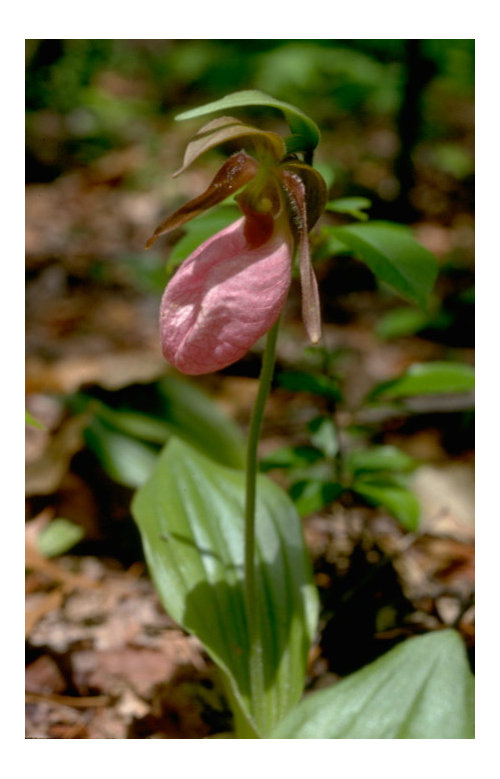
Pink lady slipper, Cypripedium acaule, a native orchid:


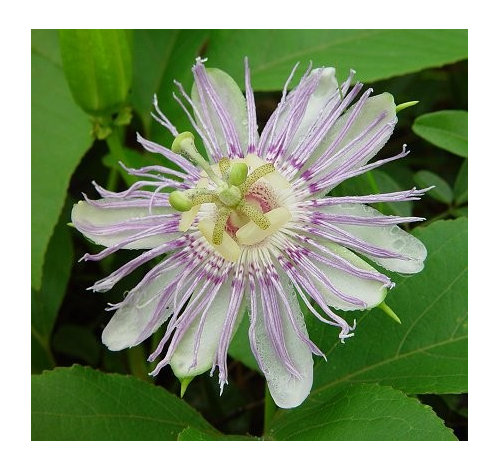
Passion flower, Passiflora incarnata, favorite source for maypops for generations:

Turtlehead, Chelone glabra, doesnÂt that just look like a turtle head? {{gwi:839972}}
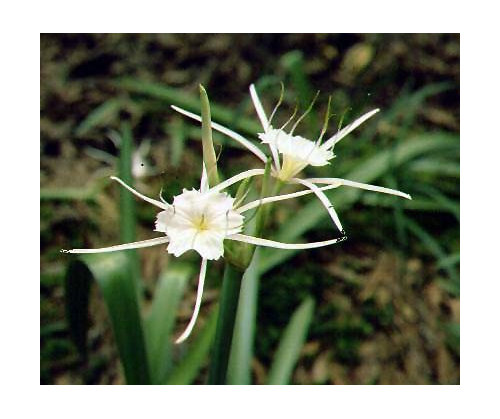
Spider lily, Hymenocallis caroliniana, this looks exotic!

American climbing fern, Lygodium palmatum, not your usual fern! {{gwi:839974}}

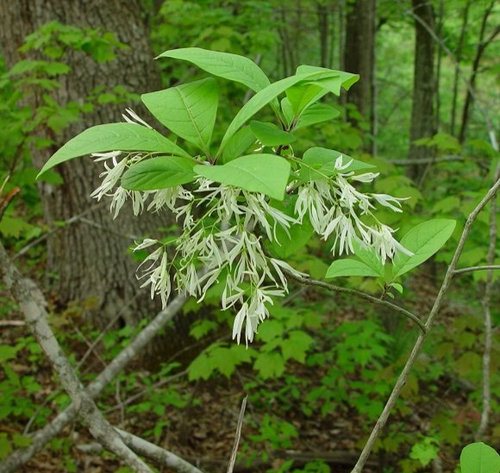
Fringe tree, Chionanthus virginicus, your grandmotherÂs Grancy Greybeard:

Bigleaf magnolia, Magnolia macrophylla, a deciduous magnolia with enormous leaves: {{gwi:839976}}

Comments (15)

  • 19 years ago

    I have native passion vine and love it.

  • 19 years ago

    Everyone of them is beautiful, esh. I'll speak up for the chelone - the only one I have experience with. They always look nice,and nothing ever bothers them. Mine are blooming right now, making a wonderful foreground for the anemones. I always look forward to the chelone in the fall.

  • 19 years ago

    Esh, maybe you could answer a question I have wondered about for a long time. I have pink lady's slippers growing in my woodsy area, just like the one pictured. Are they the same ones you can see in some of the flower catalogs selling for something like $80 per plant?? It's just something I have wondered about. I tiptoe around them, hoping not to disturb them because they are so beautiful...

  • 19 years ago

    I thought the lady slippers were extremely rare and thus valuable and of course frowned upon if removed from the wild (supposedly difficult). Anybody know? I'm getting my info from an orchid show a hundred or so years ago.

  • 19 years ago

    Vicki, yes those may well be the same ones. They are known for being hard to transplant and they take a long time to mature from seed (perhaps 7 years to bloom). There are tissue culture programs now that are able to produce more than before. There are several types of ladyslipper plants in this country and some are more uncommon than others (and some accept transplanting easier than others). You are right to avoid compacting the soil around them as their roots can stretch out a bit.

    Quirky, I'd say that ladyslippers are more uncommon than "rare". We do rescue them via GNPS and each rescue requires documentation for the DNR of how many were relocated at that time. Not many plants require such documentation. Unfortunately, presence of ladyslippers on a development site does not impede development in any way.

    They do require careful handling when relocating. You need a good understanding of the root structure to ensure that you get the whole of it. Also, most people try to get extra soil from the surrounding area to secure some of the mycorrhizal fungi that the plants need.

    Here is a link that might be useful: FAQ on Lady Slippers with NEWFS

  • 19 years ago

    those are lovely, ellen.
    i plan to give the turtlehead a try next year.
    hope you don't mind another pic or two as i am a big fan of the american fringetree or grancy greybeard. here are a couple of thumbnails.
    this is a specimen grown in pretty much full sun (about the only spot in my yard with sun!). the second photo is just as the flowers are dropping from the tree when it appears to have snowed! :-)
    for those not familiar with this beautiful native tree, the flowering process lasts about two weeks, depending on the weather. i think the tree has nice form even in winter; the branch stucture is good and appears to have a silvery sheen to it.

    {{gwi:348987}}Â Â


    Â Â

  • 19 years ago

    Very nice Fringetree Jeff!!! Your passion for plants is matched by your ability to grow them well.

    Esh, I always enjoy seeing Lady Slipper Orchids, very nice shot. I have turtlehead and the Spider Lily and they are wonderful plants. I also have Ashes Bigleaf magnolia for its smaller stature and shorter time to bloom. It is really staggering the number of exotic/non-native plants we have growing everywhere.

  • 19 years ago

    What about some of those neglected plants which we consider invasive when they appear in our lawns like Birdsfoot Violas
    {{gwi:839981}}
    Or nice looking woodland plants like Tradescantia(Spiderwort)

    And here's a Clematis even, Called 'Viorna' or Leather Flower


    This one called Fire Pinks can be found all over North Georgia

    And what about Asclepias Turberosa 'Butterfly Weed'
    {{gwi:839986}}
    Aren't all these Native plants? Along with my Flame Azaleas, Trilliums, and Jack-In-The-Pulpits?

    I "rescued" all these plants from building sites around Georgia and I find them all to be very intersting and beautiful even if some of them don't originate from here.

  • 19 years ago

    Vroomp, The violet you have pictured is not a birdsfoot violet, I don't believe. That violet has a dissected leaf that resembles a birds foot. Beautiful pictures you have there. I have found the spiderwort, though native, to be a bit invasive for me.

  • 19 years ago

    Oh yes, they are native plants and very beautiful. Naturally there are many more beautiful native plants than the ones I've mentioned. Butterfly weed is one my favorites (and I've never had it self sow on me, unfortunately). The point of this post was to show some of the ones that people comment on. But I'm glad for people to share their favorites.

    If you rescued them from around here, then they may have been native to your area at one point also. They just disappeared during human settlement of the area. For example, I find bigleaf magnolia on every Cherokee County site on which we rescue, north/south/east/west. Yet at the two places I've lived in Cherokee County, they were not in evidence. Curious.

    Thanks for sharing a picture of your fringe tree, Jeff. I cannot take credit for my pictures, they were all found on the web. It's nice to see such a mature one. I'm sure it stops traffic!

    Vroomp, here's the foliage on Bird's Food Violet (one of my favorites):

    {{gwi:839987}}

  • 19 years ago

    I also have that supposed violet that vroom has in her post.

    I was so glad I rescued the passion vine from our back yard before we had it graded and sodded. I moved 3 vines to the front and they have taken off. And now it's popping up in the back! Perhaps the birds have eaten the seeds and dropped them.

  • 19 years ago

    these are all beautiful plants and any of them would be welcomein my garden!

  • 19 years ago

    Hey Vroomp, I don't suppose you have any cuttings of that clematis? (BTW, Vroomp is a he.)
    :)

    One of my favorite natives is Spigelia marilandica. Unfortunately, mine didn't come back this year.
    Pam

  • 19 years ago

    I stand corrected on the Viola. Oviously I have that pic in the wrong listing. As for the Clematis, I have tried numerous times to grow cuttings as this one has a 10 month germination period and I don't have that kind of patience. I will be happy to bring a few long cuttings to the trade for anyone that wishes to try propagating it. From what I have read on the web it takes a cutting with at least 8-10 nodes to root.
    I have never seen seeds form on Asclepias Tuberosa plants. I have had this same plant for 5 years now and never seen seedlings or new plants around it. They seem to spread some how in the wild but, I haven't gotten this one to do anything. Perhaps I need more plants to cross- pollinate?

  • 19 years ago

    Vroomp, I don't know if it will work with your clematis or not, but have you tried rooting it in a trench? If it takes that many nodes, trenching might work. I know that some people root clematis that way. I've never done it, but the AHS Propagation book has directions, probably the internet too.

Sponsored