

biennial, etc explanations
21 years ago
Sort by:Oldest
Comments (2)
Related Stories
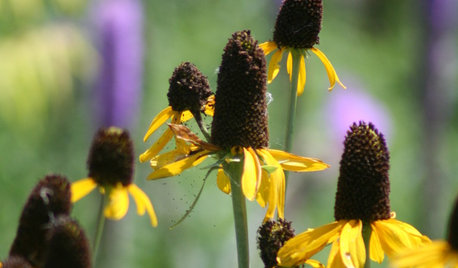
GARDENING FOR BUTTERFLIESGreat Design Plant: Giant Coneflower, a True Exclamation Point
Watch as towering stalks topped by yellow blossoms become a beacon for birds and insects in the midsummer garden
Full Story
Pro Corner: Selecting a Style for the Photos in Your Projects
Learn the key architectural and decor features to look for when categorizing your photos by design style
Full Story
KITCHEN DESIGNEcofriendly Kitchen: Healthier Kitchen Cabinets
Earth-friendly kitchen cabinet materials and finishes offer a host of health benefits for you and the planet. Here's a rundown
Full Story
GREEN BUILDING5 Things LEED Interior Designers Want You to Know
LEED means healthier homes — OK, maybe you got that. But some of these facts about the accredited designers may surprise you
Full Story
HEALTHY HOMEGet Cleaner Indoor Air Without Opening a Window
Mechanical ventilation can actually be better for your home than the natural kind. Find out the whys and hows here
Full Story
CONCRETEWhy Concrete Wants to Crack
We look at the reasons concrete has a tendency to crack — and what you can do to help control it
Full Story
GARDENING FOR BUTTERFLIES3 Ways Native Plants Make Gardening So Much Better
You probably know about the lower maintenance. But native plants' other benefits go far beyond a little less watering and weeding
Full Story
WORKING WITH PROSYour Guide to a Smooth-Running Construction Project
Find out how to save time, money and your sanity when building new or remodeling
Full Story
KITCHEN DESIGNKitchen Remodel Costs: 3 Budgets, 3 Kitchens
What you can expect from a kitchen remodel with a budget from $20,000 to $100,000
Full Story
GARDENING GUIDESDo You Have This Invasive Plant in Your Yard?
Garlic mustard is spreading across the U.S. Here’s how to spot it and what to do
Full Story
Sponsored
breezyb
ltcollins1949
Related Professionals
Toms River Landscape Architects & Landscape Designers · Terre Haute Landscape Contractors · Martinsburg Landscape Contractors · Aurora Landscape Contractors · South Bend Landscape Contractors · Lewiston Landscape Contractors · Niles Landscape Contractors · Pensacola Architects & Building Designers · Texarkana Architects & Building Designers · Wichita Falls Architects & Building Designers · Kearney Architects & Building Designers · Middletown Architects & Building Designers · Fort Collins Architects & Building Designers · Billings Architects & Building Designers · Salt Lake City Architects & Building Designers