

Why doesn't BWB destroy jam?
17 years ago
Sort by:Oldest
Comments (9)
Related Stories
ORGANIZINGAvoid the Great Paper Pileup
Don't let unavoidable scraps cause a jam in your paperless system. These easy tips will keep your home office lanes clear
Full Story
MOST POPULARGarage Cleaning Tips for the Overwhelmed
Don’t let this catch-all space get the better of you. These baby steps can get you started
Full Story
BEDROOMSHow to Choose the Perfect Bedsheets
Don't lose any shut-eye over scratchy or ill-fitting sheets; our mini guide to materials, thread count and fit will help you sleep tight
Full Story
KITCHEN DESIGNPopular Cabinet Door Styles for Kitchens of All Kinds
Let our mini guide help you choose the right kitchen door style
Full Story
GARDENING AND LANDSCAPINGGrow a Lush Privacy Screen
No need to wait forever for patio privacy the green way. These 10 ideas will get your screening up and running in no time
Full Story
DIY PROJECTSCreate a Pretty Jewelry Stand From Vintage China
Give treasured dishes new life as a beautiful jewelry stand with this DIY project
Full Story
EDIBLE GARDENSWhy Grow Quince? For Beauty, Fragrance and Old-Time Flavor
Delightfully perfumed fruit and lovely spring blossoms make this apple and pear cousin worth a spot in the garden
Full Story
REMODELING GUIDESGet What You Need From the House You Have
6 ways to rethink your house and get that extra living space you need now
Full Story
STUDIOS AND WORKSHOPSHow to Set Up a Craft Room
Keep bits and bobs from winding their way into the rest of your home by setting up a designated area for craft projects
Full Story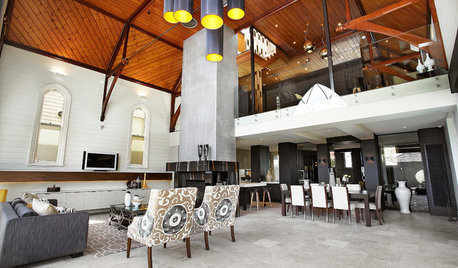
HOUZZ TOURSHouzz Tour: From Olden Church to Soaring Modern Marvel
Pray join us on this trip through an incredible home in Melbourne that's a real sanctuary
Full Story
falsedawnOriginal Author
ruthieg__tx
Related Professionals
Hot Springs Landscape Architects & Landscape Designers · Tallahassee Landscape Architects & Landscape Designers · Des Moines Landscape Architects & Landscape Designers · Poughkeepsie Landscape Architects & Landscape Designers · Los Angeles Landscape Architects & Landscape Designers · Pine Bluff Landscape Contractors · Elizabeth City Landscape Contractors · Fayetteville Landscape Contractors · Rock Hill Landscape Contractors · Abilene Landscape Contractors · Brainerd Landscape Contractors · Show Low Landscape Contractors · Madison Home Builders · Jacksonville Home Builders · Morgantown Home BuildersfalsedawnOriginal Author
readinglady
ksrogers
falsedawnOriginal Author
readinglady
Linda_Lou
readinglady