

Kraut in stoneware crock
18 years ago
Sort by:Oldest
Comments (6)
Related Stories
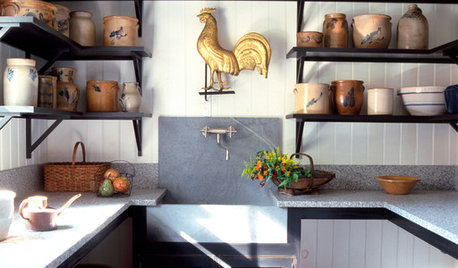
ACCESSORIESStoneware Crocks Strike a Chord
Once just humble pantry items, stoneware containers have become showpieces around the home
Full Story
KITCHEN DESIGNDisplaying Kitchen Supplies — Hot or Not?
Do some kitchens just beg for a cozy row of canisters and gear for all to see? Have a look and let us know what you think
Full Story
KITCHEN APPLIANCESConsidering a New Kitchen Gadget? Read This First
Save money, time and space by learning to separate the helpers from the hassles
Full Story
BUDGET DECORATINGBudget Decorator: 15 Fun Thrifted Finds to Score Now
Show holiday guests your ingenuity and design flair with these easy-to-find vintage and repurposed pieces for the home
Full Story
DECORATING GUIDESHow to Use Pottery to Elevate Your Decor
Earthenware — from heirloom vessels to fortuitous finds — can lend substance and soul to any room
Full Story
DINING ROOMS12 Touches to Add Farmhouse Style to Your Dining Room
A farm table, a salvaged-wood wall or a simple barn light can bring casual, homey comfort to any space
Full Story
KITCHEN WORKBOOK8 Kitchen Amenities You'll Really Wish You Had
Keep kitchen mayhem and muck to a minimum with these terrific organizers and other time-saving, mess-preventing features
Full Story
ORGANIZINGOutside the Box: 18 Unconventional Storage Solutions
You might never think to use household standards in creative ways like these, but you’ll be glad we did
Full Story
DECLUTTERINGDownsizing Help: How to Edit Your Belongings
Learn what to take and what to toss if you're moving to a smaller home
Full Story
FUN HOUZZDon’t Be a Stickybeak — and Other Home-Related Lingo From Abroad
Need to hire a contractor or buy a certain piece of furniture in the U.K. or Australia? Keep this guide at hand
Full Story
shirleywny5
readinglady
Related Professionals
Vicksburg Landscape Contractors · Detroit Landscape Contractors · Watertown Landscape Contractors · San Jose Landscape Contractors · Santa Barbara Landscape Contractors · Ogden Landscape Contractors · Aberdeen Home Builders · Rock Hill Home Builders · Danbury Home Builders · Kirksville Home Builders · Trenton Home Builders · Binghamton Home Builders · Jamestown Home Builders · Cleveland Home Builders · Toronto Home Buildersksrogers
readinglady
slpinionOriginal Author
ksrogers