

Dusty Rosemary?
18 years ago
Sort by:Oldest
Comments (7)
Related Stories
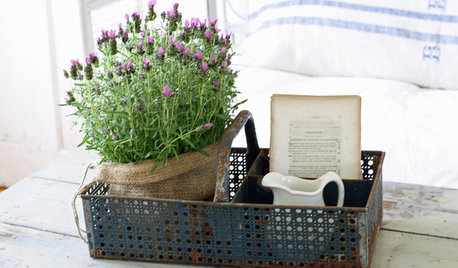
HOUSEPLANTSOutsmart Winter — Make Houseplants of Your Garden Growers
No need to watch Jack Frost play Wreck the Rosemary. Bring your garden inside for the winter, using containers and these guidelines
Full Story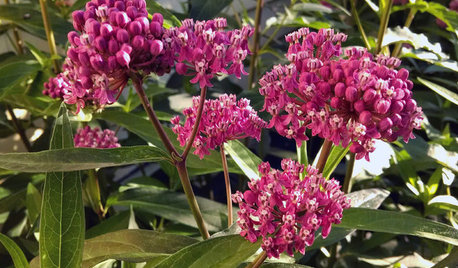
GARDENING GUIDESOh, Deer! 10 Native Flowers That Stand Up to the Herds
Keeping a garden amid hungry deer can be hard, but these plants should fare well
Full Story
GARDENING GUIDESGreat Design Plant: Partridge Feather
Set your garden aloft with the silvery-white color of partridge feather's foliage even as this evergreen's tough nature keeps you grounded
Full Story
WINDOW TREATMENTSHow to Choose the Right Window Blinds
Get the privacy, light filtering and look you want with this breakdown of blind options
Full Story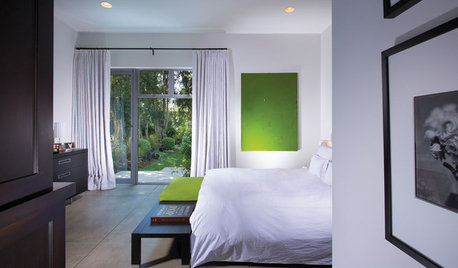
MOST POPULARThe Unexpected Color That Goes With Everything
Move over, beige. Green is staking its claim as the freshest neutral around
Full Story
KITCHEN DESIGN12 Items Worth a Spot on Your Kitchen Counter
Keep these useful tools and accessories out in the open to maintain high function without spoiling the view
Full Story
DECORATING GUIDESNature’s Color Wisdom: Lessons on Green From the Great Outdoors
Green will grow on you for interiors when you look outside for ideas on how to use it
Full Story
SAVING WATERXeriscape Gardens: How to Get a Beautiful Landscape With Less Water
Conserve water and make gardening much easier with the xeriscape approach’s 7 principles
Full Story
GARDENING GUIDESTexas Gardener's October Garden Checklist
Earn a "free" bonus by dividing perennials, make planting a priority now for hardy growth next year and keep an eye on your lawn
Full Story
GARDENING GUIDESGreat Design Plant: Pride of Madeira
Try this drought-tolerant stunner for its massive flower spikes that burst with purple, drawing butterflies and birds to the garden
Full Story
Sponsored
Heathen1
ksrogers
Related Professionals
Washington Landscape Architects & Landscape Designers · Bowling Green Landscape Architects & Landscape Designers · Kansas City Landscape Architects & Landscape Designers · Southaven Landscape Architects & Landscape Designers · La Crosse Landscape Architects & Landscape Designers · Mesquite Landscape Architects & Landscape Designers · Savannah Landscape Contractors · Madison Landscape Contractors · Grand Island Landscape Contractors · Lebanon Landscape Contractors · Terre Haute Architects & Building Designers · Vicksburg Architects & Building Designers · Anniston Architects & Building Designers · Lubbock Architects & Building Designers · York Architects & Building DesignersthorndncrOriginal Author
ksrogers
oldroser
nygardener
ksrogers