

First time canning...
17 years ago
Sort by:Oldest
Comments (6)
Related Stories
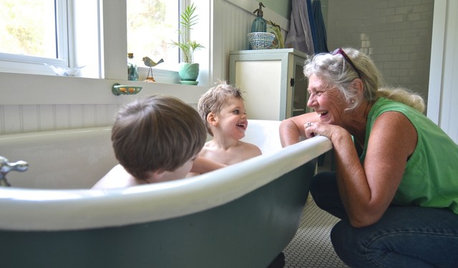
BATHROOM MAKEOVERSFrom Canning Porch to Beautiful Vintage Bath in Oregon
Thrifty finds and DIY labor transform a cramped space into a serene hotel-style bath on a budget
Full Story
MOST POPULARA First-Time Buyer’s Guide to Home Maintenance
Take care of these tasks to avoid major home hassles, inefficiencies or unsightliness down the road
Full Story
LIFEWorld of Design: Discoveries of 10 First-Time Homeowners
See how people around the globe have shaped their starter houses and made them their own
Full Story
HOUZZ TOURSMy Houzz: An Eclectic, Cozy First-Time Home in Montreal
A Canadian flat rediscovers its original character with a revamped layout and a few polished touches
Full Story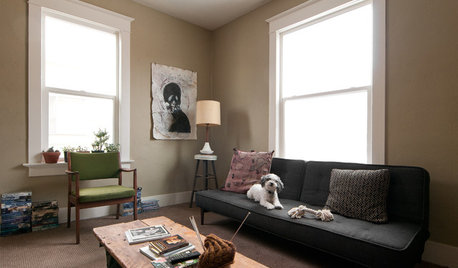
HOUZZ TOURSMy Houzz: Eclectic Repurposing Fits First-Time Homeowners in Utah
DIY projects using reclaimed materials add rustic style to an open-layout Salt Lake City home
Full Story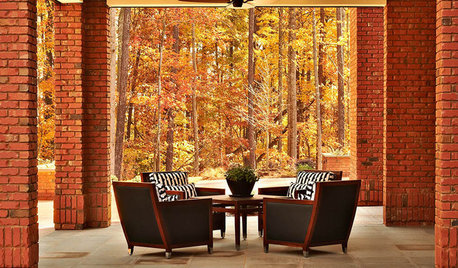
ARCHITECTUREGet a Perfectly Built Home the First Time Around
Yes, you can have a new build you’ll love right off the bat. Consider learning about yourself a bonus
Full Story
GARDENING GUIDES10 Easy Edibles for First-Time Gardeners
Focus on these beginner-friendly vegetables, herbs, beans and salad greens to start a home farm with little fuss
Full Story
PRODUCT PICKSGuest Picks: Canning, Preserving, Steaming, Dehydrating
20 products to help make fall produce last through the season and beyond
Full Story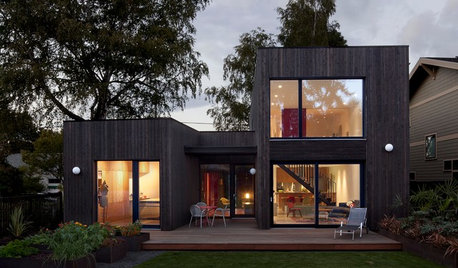
BASEMENTSDesign Workshop: Is It Time to Let Basements Become Extinct?
Costly and often unnecessary, basements may become obsolete — if they aren’t already. Here are responses to every reason to keep them around
Full Story
LIFETime Travel to Houzzers' Childhood Homes, Part 3
See postwar homes built by family members, rural farmsteads, cold-water flats and much more
Full Story
digdirt2
ksrogers
Related Professionals
Tyler Landscape Architects & Landscape Designers · Peoria Landscape Architects & Landscape Designers · Panama City Landscape Contractors · Beaumont Landscape Contractors · Newark Landscape Contractors · Kalispell Landscape Contractors · Cheyenne Landscape Contractors · London Landscape Contractors · Tampa Home Builders · Boston Home Builders · Norfolk Home Builders · Mansfield Home Builders · Bozeman Home Builders · Ottawa Home Builders · Bronx Home Buildersswineinsanity
digdirt2
swineinsanity
digdirt2