

Mouse Ears and Snails
16 years ago
Sort by:Oldest
Comments (7)
Related Stories
GARDENING GUIDESGreat Design Plant: Sea Grape, a Hardy Coastal Delight
Up to the high-tide line or even indoors, sea grape draws smiles for its looks and cheers for its tenacity
Full Story
HOUZZ TOURSHouzz Tour: Just What Mom Wanted, Off the Washington Coast
With an art studio, age-in-place features and a view-maximizing design, this home shows just how well the architect knows his client
Full Story
HOUZZ TOURSHouzz Tour: Fairy Tale Gatehouse in Minnesota
This cozy cottage in Minnesota blends fine antiques with reclaimed materials from bridge pilings, city streets and Midwestern barns
Full Story
SUMMER FRUITS AND VEGETABLESHow to Grow Your Own Fresh, Sweet Corn
Here's how to plant and care for your own mini cornfield
Full Story
FUN HOUZZ16 Creative Paint Color Names We Haven't Seen — Yet
Someday, the namers of new paint colors will finally run out of ideas. We're here to help
Full Story
HOLIDAYS36 Stylish and Spooky Halloween Decorating Ideas
Customize your Halloween decor with pumpkin topiaries, glam mantels, glowing tabletops, wreaths and more
Full Story
GROUND COVERSGround Force: 10 Top Ground Covers for Your Garden
Protect your soil from weeds and drought this summer with a living mulch of ground covers
Full Story
PRODUCT PICKSGuest Picks: Decor to Make Your Eyes Bug Out
Insects are marching to a different tune these days, showing up on knobs, teapots and even tablecloths
Full Story
HOUZZ TOURSMy Houzz: A Handcrafted Bohemian Homestead in Texas
Overflowing with art and intertwined with gardens, this pieced-together home is a marvel of creativity
Full Story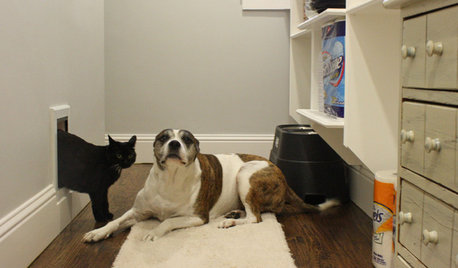
PETSPet-Proofing Your Home: A Room-by-Room Guide
Not all pet dangers are obvious. Keep furry friends safe and sound by handling all of these potential hazards
Full Story

mary52zn8tx
ladywindsurfer
Related Professionals
Lafayette Landscape Architects & Landscape Designers · Toms River Landscape Architects & Landscape Designers · Athens Landscape Architects & Landscape Designers · Lubbock Landscape Architects & Landscape Designers · Wichita Landscape Contractors · Somerset Landscape Contractors · Williamsburg Landscape Contractors · Waterloo Landscape Contractors · Fergus Falls Landscape Contractors · Mankato Landscape Contractors · Omaha Landscape Contractors · Cheyenne Landscape Contractors · Lake Charles Home Additions · Utica Home Additions · Salinas Home AdditionsBabka NorCal 9bOriginal Author
ghgwv
harryshoe zone6 eastern Pennsylvania
chris-e
jel48