

bitter tomato sauce
15 years ago
Sort by:Oldest
Comments (6)
Related Stories
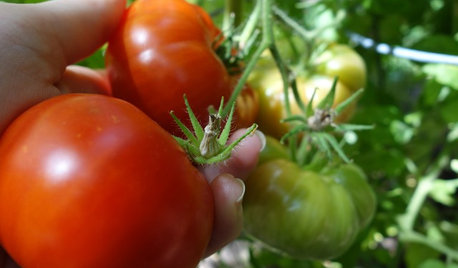
LIFEKitchen Traditions: Tomato Season Meets a Family Legacy
Somewhere a Sicilian great-great-grandmother is smiling at a bowl of American-made sauce
Full Story
EDIBLE GARDENSSummer Crops: How to Grow Tomatoes
Plant tomato seedlings in spring for one of the best tastes of summer, fresh from your backyard
Full Story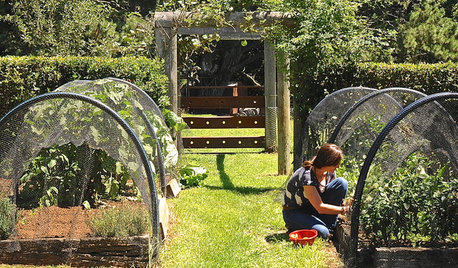
FARM YOUR YARDHouzz Call: Home Farmers, Show Us Your Edible Gardens
We want to see where your tomatoes, summer squashes and beautiful berries are growing this summer
Full Story
GARDENING GUIDESMid-Atlantic Gardener's August Checklist
Bring in the bounty of tomatoes, savor the show of grasses and start seeding some cool-season plants
Full Story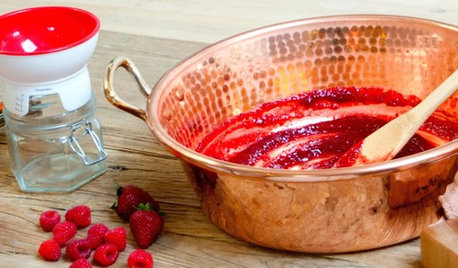
SHOP HOUZZHouzz Products: Save a Taste of Summer
Can't bear to part with the flavors of summer peaches, berries and tomatoes? Then jam on it!
Full Story
SHOP HOUZZShop Houzz: Up to 60% Off Kitchen Rugs
Save on stylish rugs, mats and runners for the kitchen
Full Story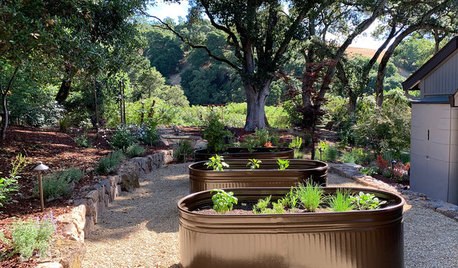
FARM YOUR YARD6 Things to Know Before You Start Growing Your Own Food
It takes time and practice, but growing edibles in the suburbs or city is possible with smart prep and patience
Full Story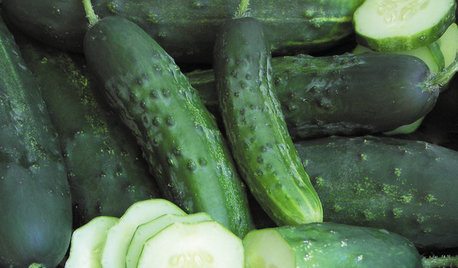
SUMMER FRUITS AND VEGETABLESSummer Crops: How to Grow Cucumbers
Pick a peck for pickles or opt for fewer and raw — no matter how you slice them, cucumbers are great for summer gardens small to large
Full Story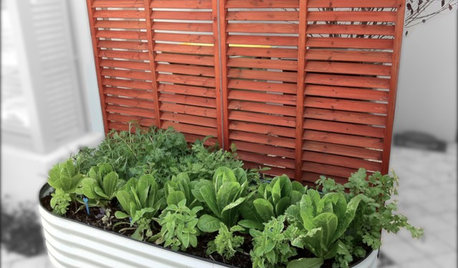
FEEL-GOOD HOME21 Ways to Waste Less at Home
Whether it's herbs rotting in the fridge or clothes that never get worn, most of us waste too much. Here are ways to make a change
Full Story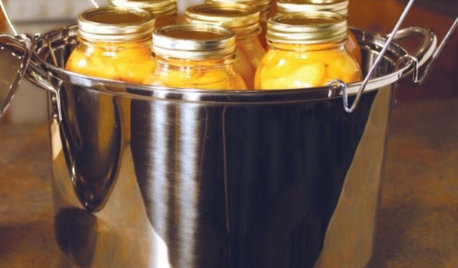
PRODUCT PICKSGuest Picks: Canning, Preserving, Steaming, Dehydrating
20 products to help make fall produce last through the season and beyond
Full Story
happyday
macybaby
Related Professionals
Rome Landscape Architects & Landscape Designers · Columbus Landscape Architects & Landscape Designers · Danbury Landscape Architects & Landscape Designers · Memphis Landscape Contractors · Burlington Landscape Contractors · Honolulu Landscape Contractors · Palm Bay Home Builders · Hopkinsville Home Builders · Danbury Home Builders · Grand Rapids Home Builders · Muskegon Home Builders · Norfolk Home Builders · South Sioux City Home Builders · Sheboygan Home Builders · Elko Home Buildersmacybaby
digdirt2
happyday
calliope