Software
Houzz Logo Print
carapiercey

Hydrangea

18 years ago

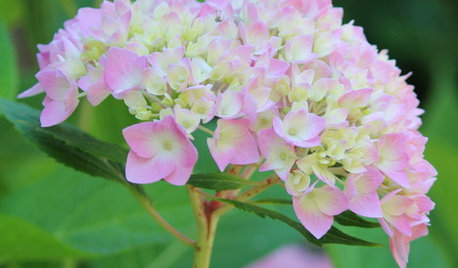
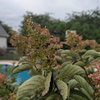
Can anyone suggest what I can use to turn my Hydrangea blue? I planted it about a month ago and it is now blooming. The flowers are pink and I want blue. Any help of what to use and how much would be great! Thanks!

Comments (4)

  • 18 years ago
    last modified: 11 years ago

    Here's a link that discusses color changes in Hydrangeas and limitations.
    Scroll down the Home page and click on Color Changes on the left sidebar.
    Rb

    Here is a link that might be useful: HydrangeasHydrangeas

  • 18 years ago
    last modified: 11 years ago

    Since you do not indicate the variety, where you live or whether your soil is acidic or alkaline, it is hard to tell you what to do. I will give you some guidelines though.

    It depends on whether your ground is naturally acidic or alkaline. Hydrangea flowers are plant materials called chemical indicators that are sensitive to acids or bases. They react by changing color (blue for acidic, pink for alkaline/bases). Think of litmus paper for another example.

    Right now it is hard to tell what will happen to your blooms because the plant roots absorb chemicals from the potting soil mix so the bloom colors that you get are based on the acidity or alkalinity of the potting soil, not your ground soil. Once the roots begin to grow from the potting soil and into your garden soil then the bloom colors will change to a shade of blue if your soil is acid.

    If your garden soil is already acidic, you will probably not need to make changes (to acidify it even more) but you should observe how new roots react to your soil acidity by noticing the shade of colors that your get next year. When your soil is just a little acidic, you may observe purples. When the soil is neutral or alkaline, you will see shades of pink.

    If your garden soil is alkaline, you will need to amend the soil and make it more acidic. When the soil becomes more acid, the hydrangea roots are able to absorb certain minerals that they normally would not. Aluminum is one of those. The plants' blooms then react as litmus paper does and turns either pink, purple or blue. Aluminum is naturally occurring in the soil so some people amend the soil with just Sulphur and others just amend with aluminum sulphate (a mix that contains Sulphur and a little aluminum).

    People who want blues will also try to use fertilizers low in phosphates as these help keep blooms pink. You can use an organic fertilizer called cottonseed meal next year. If you live in the northern states, apply a cup in June; otherwise apply 1 cup in May and July. Since the potting soil probably contains fertilizer pellets, do not fertilize this year. You can add weak fertilizers like coffee grounds during the growing season but stop fertilizing in August-September in order to force the plant into dormancy by the Fall Season.

    Warning! In large enough quantities, aluminum sulphate is toxic to azaleas, rhododendrons and some other plants so do not use it around such plants. In that case, just use garden Sulphur. Most local nurseries carry these amendments (Sulphur and Aluminum Sulphate). I have never seen them at the large stores (HD, Lowes) though. Please follow the package directions.

    But like I said at the said at the start, you do not need to do anything if your soil is already acidic. How can you tell? Well, you can stop by local nurseries close to your home and ask them if the soil where you live is acidic. Or you could purchase a cheap kit that tries to approximate/measure soil acidity. Or you could have a real soil test done at your Agriculture Extension Service.

    Soil acidity and alkalinity are measured using a logarithmic scale called the pH Scale. A value of 7.0 is considered neutral; values below 7.0 are acidic and values above 7.0 are considered alkaline. For blue hydrangeas, readings between 5.0 and 6.0 will result in shades of blues. Between 6.0 and 7.0, there are transition points that will result in purples and/or shades of pink. This all varies a lot with your soil minerals and the hydrangea variety.

    If you can avoid it, try not to get your garden soil into the extremes of this scale. If your soil becomes too alkaline, the hydrangeas can develop iron chlorosis. If your soil becomes too acidic, the plant roots cannot absorb other minerals and suffer from mineral deficiencies.

    Sorry for the Chemistry Class but I have not find a good way around it. Does that help you, carapiercey?

    Luis

  • 18 years ago
    last modified: 11 years ago

    Luis,

    Sorry! I didn't think to mention where I live! I'm in Newfoundland, Canada. I think I'll wait until next year to see what happens. Maybe I won't have to add anything. I'm new at this gardening stuff! So far so good! I haven't killed anything yet! I haven't tested the soil so I'm not sure if it's acidic or alkaline. I will do that though so I will know. I have rhododendrons growing quite well and a wegeila. The rhodos were already here when we bought the house last summer and I planted the wegeila last year. Thanks for you reply though! I'm going to print it for future reference! Cheers!

  • 18 years ago
    last modified: 11 years ago

    Cheers, carapiercey. By the way, if you have rhodies already in the new house and they are not being grown in raised beds, there is an excellent change that your soil may already be acidic. Ask around, specially at garden clubs and local nurseries located close to your home. An Agriculture Extension Office near you might be able to tell you too. If all that fails then get a pH testing kit from local nuseries or the big stores.