

First time hydrangea planter
21 years ago
Sort by:Oldest
Comments (5)
Related Stories
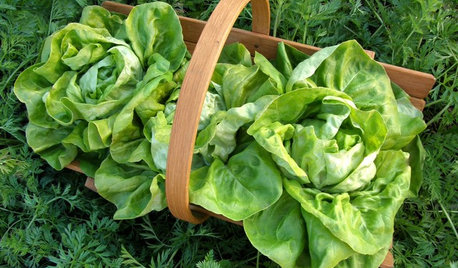
GARDENING GUIDES10 Easy Edibles for First-Time Gardeners
Focus on these beginner-friendly vegetables, herbs, beans and salad greens to start a home farm with little fuss
Full Story
GARDENING AND LANDSCAPINGHave a Ball With Hydrangeas
Even if you don't tinker with the hue by changing the soil, hydrangeas have an entertaining range of uses in all kinds of landscapes
Full Story
FALL GARDENINGWhy Fall Is the Best Time for Planting
Spring is overrated for planting. Starting plants in autumn has advantages for both garden and gardener
Full Story
LANDSCAPE DESIGNIs It Time to Consider Fake Grass?
With more realistic-looking options than ever, synthetic turf can be a boon. Find the benefits and an installation how-to here
Full Story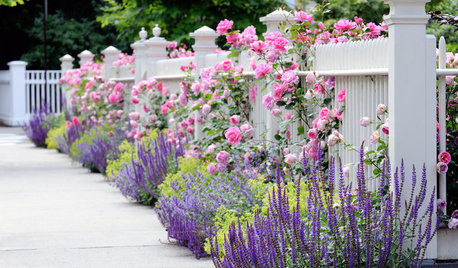
GARDENING GUIDES10 Tips to Start a Garden — Can-Do Ideas for Beginners
Green up your landscape even if you're short on time, money and knowledge, with these manageable steps for first-time gardeners
Full Story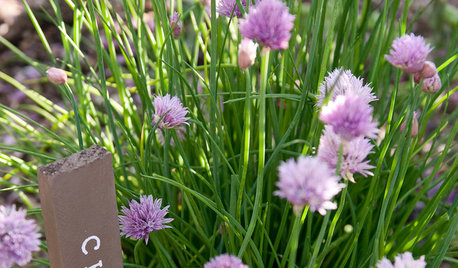
GARDENING GUIDESSimple Pleasures: Savor the First Spring Day in the Garden
How will you answer the call of the garden once the birds are chirping, the bulbs are blooming and the air is inviting?
Full Story
DECORATING GUIDESCreate a Chic First Apartment on a Dorm Room Budget
Show your first solo place off with pride by incorporating these tips for budget-friendly artwork, furniture and accessories
Full Story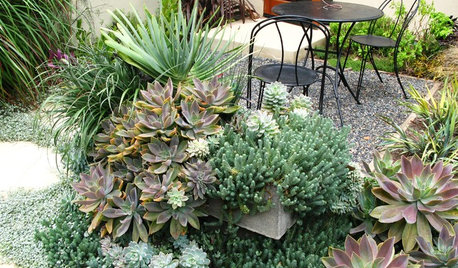
SUCCULENTSAmazingly Low-Maintenance Picks for Outdoor Planters
Turn to succulents, cacti and ornamental grasses to keep your summer watering and care to a minimum
Full Story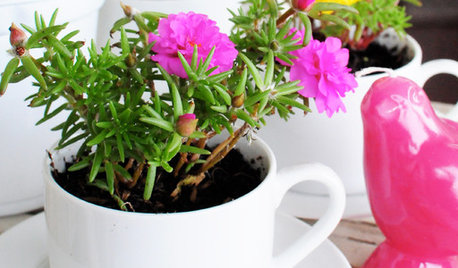
CONTAINER GARDENSDIY Project: Teacup Planter Pots
Add a riot of color to a windowsill, table or balcony by repurposing old cups and saucers as little planter pots
Full Story
yellowgirl
gardengal48 (PNW Z8/9)
Related Professionals
Aberdeen Landscape Architects & Landscape Designers · Atlantic City Landscape Architects & Landscape Designers · Seattle Landscape Architects & Landscape Designers · Cookeville Landscape Contractors · Richmond Landscape Contractors · Charleston Landscape Contractors · Chillicothe Landscape Contractors · Aurora Landscape Contractors · Hackettstown Landscape Contractors · Springfield Design-Build Firms · Orangeburg Design-Build Firms · Fort Wayne Design-Build Firms · Eau Claire Design-Build Firms · Roswell Design-Build Firms · Fort Collins Design-Build Firmsgardengal48 (PNW Z8/9)
tonyb416Original Author
yellowgirl